





No expiration date
Easy refund
Free exchange
Easy booking
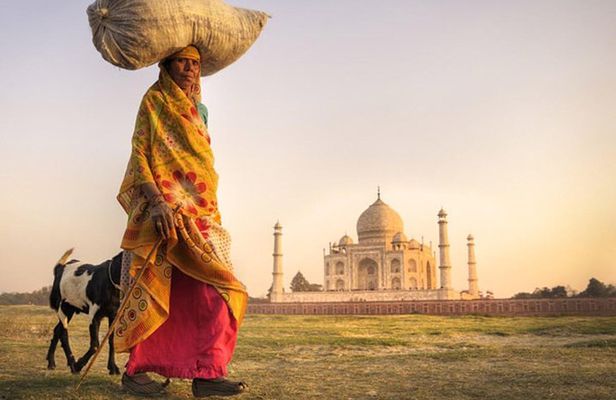
Private Taj Mahal Skip-the-Line Agra Tour by Local Verified Guide
 Agra, Uttar Pradesh, India
$45
This is an experience gift voucher. The recipient will book the experience after
they redeem the gift voucher.
Overview
Architectural brilliance is embodied in the Taj Mahal and Agra Fort, showcasing the Mughal Empire's cultural patronage. Each landmark provides insight into India's rich history and cultural heritage, captivating visitors with its significance and beauty.
- 🏰 The Taj Mahal is renowned for its timeless romance and stunning beauty.
- 🕌 Agra Fort features imposing fortifications that reflect historical grandeur.
- 🏛️ Fatehpur Sikri showcases architectural wonders from the Mughal era.
- 📜 Each site offers a unique perspective on India's historical significance and cultural legacy.
Sustainable choices lead the way, and Tinggly follows with instant digital delivery, no expiry, and a worldwide selection.
—
The experience offers several options. This price includes:
PROFESSIONAL TOUR GUIDE
Duration: 6 hours
Taj Mahal
Tour have only guide service: This is basically only a Professional Government Approved guided tour in Agra. The tour will start in Agra end in Agra
Pickup included
Duration: 6 hours
Taj Mahal
Tour have only guide service: This is basically only a Professional Government Approved guided tour in Agra. The tour will start in Agra end in Agra
Pickup included
Tour guide
Language: English
Human tour guide
The experience offers several options, check yours above
- Tajmahal sightseeing with private local professional guides
- Hotel or railway station pick-up and drop-off if opted the option
- Transport by private, air-conditioned car if opted the option
- All taxes, and handling charges
- Tajmahal monuments ticket if opted the option
- Any meal
- Any monuments ticket if not opted the option
- Gratuities and tipping
Meeting point
Near shilpgram gram parking
Return details
Near shilpgram gram parking
-
Taj MahalThe Taj was built by Shah Jahan as a memorial for his third wife, Mumtaz Mahal, who died giving birth to their 14th child in 1631. The death of Mumtaz left the emperor so heartbroken that his hair is said to have turned grey virtually overnight. Construction of the Taj began the following year; although the main building is thought to have been built in eight years, the whole complex was not completed until 1653. Not long after it was finished, Shah Jahan was overthrown by his son Aurangzeb and imprisoned in Agra Fort, where for the rest of his days he could only gaze out at his creation through a window. Following his death in 1666, Shah Jahan was buried here alongside his beloved Mumtaz.
How it works?
01
—
You choose from 10,000+ experience gifts
02
—
We deliver the eVoucher or the Physical box to the recipient
03
—
Recipient books the experience and creates unforgettable memories!
Private Taj Mahal Skip-the-Line Agra Tour by Local Verified Guide
Agra, Uttar Pradesh, India
$45
This is an experience gift voucher. The recipient will book the experience after
they redeem the gift voucher.
How it works?
01
—
You choose from 10,000+ experience gifts
02
—
We deliver the eVoucher or the Physical box to the recipient
03
—
Recipient books the experience and creates unforgettable memories!