

No expiration date
Easy refund
Free exchange
Easy booking
Guided Private Sightseeing Tour of Istanbul 20% OFF
 Istanbul, Turkey, Europe
$185.94
This is an experience gift voucher. The recipient will book the experience after
they redeem the gift voucher.
Overview
The Old City Tour of Istanbul showcases timeless landmarks that reflect the city's rich Byzantine and Ottoman history. This guided journey provides insightful commentary to enhance your understanding of each magnificent site.
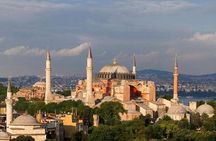
- 🏛️ Visit the Hagia Sophia, a UNESCO World Heritage Site renowned for its massive dome and stunning mosaics, which reflect both Christian and Islamic heritage.
- 🕌 Explore the Blue Mosque, also known as Sultan Ahmed Mosque, famous for its beautiful blue tiles, six minarets, and grand central dome, offering a serene atmosphere for visitors.
- 👑 Discover Topkapi Palace, the former residence of Ottoman sultans, featuring exquisite architecture, lush gardens, and notable sections like the Harem and Treasury.
- 💧 Experience the Basilica Cistern, an ancient underground water reservoir supported by 336 marble columns, creating a magical ambiance with its dim lighting and water reflections.
- 🛍️ Stroll through the Grand Bazaar, one of the largest and oldest covered markets in the world, featuring over 4,000 shops offering jewelry, textiles, and antiques amidst a vibrant atmosphere.
- 🚗 Enjoy convenient hotel pickup included in the tour, ensuring a hassle-free start to your exploration of Istanbul's rich history.
- 🔍 Benefit from a professional English-speaking guide who will provide detailed insights into each landmark, enhancing your overall experience.
- ⏳ Experience a comprehensive 6-hour tour, allowing ample time to immerse yourself in the historical and cultural richness of Istanbul.
- 🍽️ Lunch is included, providing a taste of local cuisine during your adventure through the city.
- ♿ Wheelchair accessible options are available, ensuring that everyone can enjoy this remarkable journey through Istanbul.
Share the magic of Istanbul's rich history through Tinggly, offering sustainable gift options with instant e-delivery, no expiration on vouchers, and the freedom to choose from experiences worldwide.
—
The experience offers several options. This price includes:
Guided Private Sightseeing Tour of Istanbul
Pickup included
Pickup included
Tour guide
Language: English
Human tour guide
Duration: 6 hours
The experience offers several options, check yours above
- Professional guide
- Private tour
- Pick up and drop of the hotel (if the out of the walking distance)
- Entrance fees
- Lunch
-
Hagia Sophia Grand MosqueHagia Sophia Hagia Sophia, located in Istanbul, Turkey, is one of the world’s most significant architectural and historical landmarks. Originally constructed as a cathedral by the Byzantine Emperor Justinian I in 537 AD, it served as the largest cathedral in the world for nearly 1,000 years. Following the Ottoman conquest of Constantinople in 1453, it was converted into a mosque and remained a mosque until 1935 when it was turned into a museum by the Turkish Republic. In 2020, it was reconverted into a mosque. The building is famous for its massive dome, which was an engineering marvel at the time, and its stunning mosaics, which depict Christian iconography and were uncovered after the building's conversion to a mosque. Hagia Sophia stands as a symbol of both Christian and Islamic heritage, attracting millions of visitors annually for its historical and architectural grandeur. It is a UNESCO World Heritage Site.
-
Blue MosqueBlue Mosque (Sultan Ahmed Mosque) The Blue Mosque, or Sultan Ahmed Mosque, is one of Istanbul’s most iconic landmarks. Built between 1609 and 1616, it was commissioned by Sultan Ahmed I and remains an active place of worship today. Known for its stunning blue tiles that decorate the interior, the mosque features six minarets, a large central dome, and several smaller domes. The Blue Mosque is an excellent example of Ottoman architecture, showcasing intricate tilework, calligraphy, and decorative motifs. It can accommodate thousands of worshippers, offering both historical and spiritual significance. The mosque's serene and majestic atmosphere, along with its rich cultural heritage, make it a must-visit destination for tourists and religious visitors alike.
-
TopkapI PalaceTopkapi Palace Topkapi Palace, located in Istanbul, Turkey, was the primary residence of Ottoman sultans for nearly 400 years, from the 15th to the 19th century. It was commissioned by Sultan Mehmed II after the conquest of Constantinople in 1453. The palace is a sprawling complex of courtyards, gardens, and grand buildings, showcasing the grandeur of the Ottoman Empire. Key features of the palace include the Harem , where the sultan’s family resided, and the Treasury, which houses priceless jewels and artifacts, including the famous Topkapi Dagger. The Imperial Kitchens and Sacred Relics Room , which contains relics of the Prophet Muhammad, are also notable. Today, Topkapi Palace is a museum, attracting millions of visitors with its rich history, exquisite architecture, and impressive collections. It is a UNESCO World Heritage Site and offers a fascinating glimpse into the lifestyle and power of the Ottoman sultans.
-
HippodromeHippodrome of Constantinople The Hippodrome of Constantinople, located in the Sultanahmet district of Istanbul, was an ancient chariot racing arena and one of the most important social and political centers of the Byzantine Empire. It was built by Emperor Septimius Severus in the 3rd century AD and expanded by Emperor Constantine the Great in the 4th century. The Hippodrome could hold up to 100,000 spectators and was used for various events, including chariot races, festivals, and public gatherings. Today, only a few remnants of the Hippodrome remain, such as the Obelisk of Theodosius, the Serpent Column, and the Walled Obelisk. These monuments, along with the layout of the Hippodrome, give visitors a sense of the grandeur of the venue. The Hippodrome also played a significant role in the political life of the empire, with factions supporting different chariot teams often influencing imperial politics. The Hippodrome's legacy continues to be felt in Istanbul...
-
Basilica CisternBasilica Cistern (Yerebatan Sarnıcı) The Basilica Cistern, or Yerebatan Sarnıcı, is an ancient underground water reservoir located in Istanbul, Turkey. Built during the reign of Emperor Justinian I in the 6th century, it was designed to supply water to the Great Palace of Constantinople. The cistern is known for its impressive size, covering an area of 9,800 square meters and supported by 336 marble columns, each 9 meters tall. The cistern's serene, dimly lit atmosphere, with water reflecting the columns and intricate carvings, creates a magical ambiance for visitors. One of the most famous features is the Medusa head columns, where two columns are supported by upside-down Medusa heads. Today, the Basilica Cistern is open to the public and serves as both a historical landmark and a popular tourist attraction. It highlights the engineering genius of the Byzantine Empire while offering a fascinating glimpse into the past.
-
Grand BazaarGrand Bazaar (Kapalıçarşı), Istanbul The Grand Bazaar (Kapalıçarşı) is one of the largest and oldest covered markets in the world, located in the heart of Istanbul, Turkey. Established in the 15th century by Sultan Mehmed the Conqueror, it spans over 30,000 square meters and contains more than 4,000 shops. The bazaar is a maze of narrow streets and passageways, offering a vast array of goods, including jewelry, textiles, carpets, spices, ceramics, and antiques. With its rich history and vibrant atmosphere, the Grand Bazaar is not only a major shopping destination but also a cultural experience. Visitors can explore its intricate architecture, including domed ceilings, arched passageways, and beautiful courtyards. It's a bustling marketplace where locals and tourists alike haggle for unique items. The Grand Bazaar remains a symbol of Istanbul's rich commercial and cultural heritage, attracting millions of visitors each year.
How it works?
01
—
You choose from 10,000+ experience gifts
02
—
We deliver the eVoucher or the Physical box to the recipient
03
—
Recipient books the experience and creates unforgettable memories!
Guided Private Sightseeing Tour of Istanbul 20% OFF
Istanbul, Turkey, Europe
$185.94
This is an experience gift voucher. The recipient will book the experience after
they redeem the gift voucher.
How it works?
01
—
You choose from 10,000+ experience gifts
02
—
We deliver the eVoucher or the Physical box to the recipient
03
—
Recipient books the experience and creates unforgettable memories!