


No expiration date
Easy refund
Free exchange
Easy booking
Hiroshima Peace & History Tour: Why the Atomic Bomb Was Dropped
 Hiroshima, Hiroshima Prefecture, Japan
$35
This is an experience gift voucher. The recipient will book the experience after
they redeem the gift voucher.
Overview
Hiroshima's historical significance unfolds through Gokoku Shrine, Hiroshima Castle, and the Peace Memorial Park, providing insights into the atomic bomb's impact. This thematic tour focuses on military context and the aftermath of World War II.
- 🕊️ Each site offers unique perspectives on Hiroshima's military importance during World War II.
- 🏯 Gokoku Shrine and Hiroshima Castle provide context for understanding the strategic reasons behind the city's selection as a target.
- 🌳 The Peace Memorial Park invites reflection on the devastating human and cultural consequences of the bombing.
- 📜 This tour fosters appreciation for peace and reconciliation through a comprehensive look at events leading up to the bombing.
To keep footprints lighter, Tinggly offers instant digital delivery, a never-expiring benefit, and global options.
—
Hiroshima Peace & History Tour: Why the Atomic Bomb Was Dropped
Tour guide
Language: English
Human tour guide
Duration: 2 hours 30 minutes
- All Fees and Taxes
- Bottled water
Meeting point
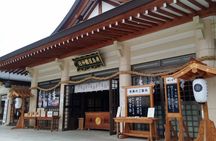
Guide will be waiting for you in front of Hiroshima Gogoku Shrine around the Torii Gate near the main Hall.
★Important★ Viator App have some bugs that brings you to the end point. Please use your smartphone App to find the meeting point.
Return details
Tour will end in front of Peace Memorial Museum
-
Hiroshimagokoku ShrineVisitors begin their experience at Hiroshima Gogoku Shrine by exploring its elegant architecture and tranquil surroundings. Originally established to enshrine the protective deities of Hiroshima domain, the shrine now also serves as a place of solace and remembrance for those affected by historical events.
-
Hiroshima CastleHiroshima Castle, also known as Carp Castle, is a historic landmark in Hiroshima, Japan. Originally constructed in the 1590s, it served as the home of the daimyō (feudal lord) of the Hiroshima han (domain). The castle was an important military and administrative center until it was destroyed by the atomic bomb in 1945. It has since been reconstructed and now functions as a museum that offers insights into Hiroshima's history, Japanese feudal architecture, and the samurai culture of the Edo period. The castle's grounds, surrounded by a moat and lush gardens, provide a scenic walk and a peaceful retreat from the modern city surrounding it.
-
Hiroshima Green ArenaHiroshima Green Arena, officially known as Hiroshima Prefectural Sports Center, is a multi-purpose indoor sporting arena located in Hiroshima, Japan. It is often used for a wide range of sporting events such as basketball and volleyball matches, as well as for martial arts competitions. The arena also hosts a variety of other events, including concerts, exhibitions, and cultural festivals, making it a versatile venue within the city.
- Orizuru Tower is a modern and innovative addition to Hiroshima's cityscape, located right next to the Hiroshima Peace Memorial Park. Opened in 2016, this 13-story building is known for its distinctive architecture and the panoramic views it offers of the surrounding city, including the Peace Park and the A-Bomb Dome, one of the UNESCO World Heritage sites. (pass by)
-
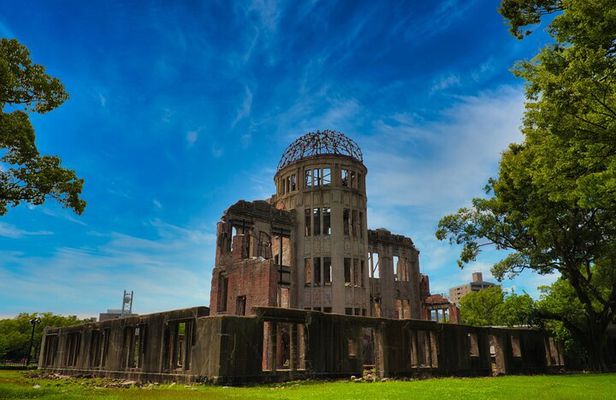
Atomic Bomb DomeThe Atomic Bomb Dome in Hiroshima, originally the Hiroshima Prefectural Industrial Promotion Hall, stands as a solemn reminder of the devastating power of nuclear weapons. Located near the blast's epicenter, it was one of the few structures left standing after the atomic bomb was dropped on August 6, 1945. This haunting ruin, with its exposed steel and crumbled walls, has been preserved as a peace monument and UNESCO World Heritage Site. It symbolizes the hope for global peace and the abolition of nuclear arms, serving as a poignant educational and contemplative site for visitors worldwide.
-
Children's Peace MonumentThe Children's Peace Monument in Hiroshima, located in the Peace Memorial Park, commemorates Sadako Sasaki and the thousands of child victims of the atomic bombing of Hiroshima. Inspired by Sadako, who developed leukemia from radiation exposure and folded origami cranes as a symbol of peace and healing, the monument features a statue of her holding a golden crane overhead. Surrounding the statue are thousands of colorful paper cranes sent from children around the world, symbolizing a universal wish for peace and the abolition of nuclear weapons.
-
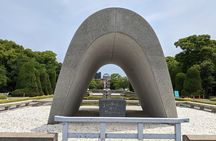
Hiroshima Peace Memorial Park is a poignant site dedicated to the memory of the victims of the atomic bomb dropped on Hiroshima on August 6, 1945. Located in the heart of Hiroshima, near the epicenter of the explosion, the park is home to several important monuments, memorials, and museums, including the Hiroshima Peace Memorial Museum, the Atomic Bomb Dome, and the Children's Peace Monument. The park itself is designed to promote reflection and peace, featuring lush greenery, tranquil water features, and broad pathways. It serves as a reminder of the tragic consequences of nuclear warfare and as a symbol of a continuing commitment to world peace. Each year, thousands of visitors from around the world come to the park to learn, remember, and reflect on the events of 1945 and the importance of peace.
How it works?
01
—
You choose from 10,000+ experience gifts
02
—
We deliver the eVoucher or the Physical box to the recipient
03
—
Recipient books the experience and creates unforgettable memories!
Hiroshima Peace & History Tour: Why the Atomic Bomb Was Dropped
Hiroshima, Hiroshima Prefecture, Japan
$35
This is an experience gift voucher. The recipient will book the experience after
they redeem the gift voucher.
How it works?
01
—
You choose from 10,000+ experience gifts
02
—
We deliver the eVoucher or the Physical box to the recipient
03
—
Recipient books the experience and creates unforgettable memories!