

No expiration date
Easy refund
Free exchange
Easy booking
Lalbagh Botanical Garden Early Morning Walk + Breakfast at MTR 7% OFF
 Bangalore, India
$59.65
This is an experience gift voucher. The recipient will book the experience after
they redeem the gift voucher.
Overview
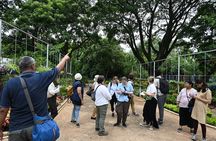
Lalbagh Botanical Gardens in Bangalore spans 240 acres, making it a significant green space in the city often referred to as The Garden City of India. With over 2100 species of plants, this garden is a refreshing escape from urban life.
- 🌿 Home to over 2100 species of tropical and sub-tropical plants, showcasing a rich diversity of flora.
- 🪨 Features a remarkable 3 billion-year-old rock and a 20-million-year-old fossil, highlighting the geological history of the area.
- 🌳 Includes a majestic 270-year-old Mango tree, planted by Hyder Ali in 1760, a testament to the garden's long-standing heritage.
- 🍽️ Concludes with a sumptuous breakfast at Mavalli Tiffin Room, renowned for its vegetarian cuisine (not available on Mondays).
- 🌊 The artificial lake offers picturesque walking paths, perfect for morning strolls around the serene waters.
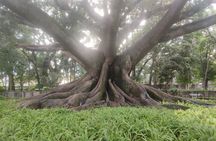
- 🌳 The garden is home to a variety of iconic trees, including the impressive Ceiba Pentendra, or White Silk-Cotton Tree, which is about 300 years old.
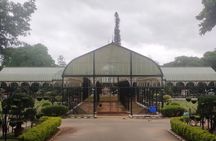
- 🏛️ The historic Glass House, inspired by London's Crystal Palace, hosts two grand Flower Shows annually on Independence Day and Republic Day.
- 🎨 Discover local artistry with numerous wooden sculptures made from fallen trees, adding a creative touch to the garden's landscape.
- 🗺️ The tour includes a knowledgeable English-speaking guide, enhancing your understanding of the garden's history and significance.
- ♿ Wheelchair accessible pathways ensure everyone can enjoy the beauty of Lalbagh Botanical Gardens.
Tinggly makes it easy to share the beauty of nature with loved ones through sustainable gifting options. With instant e-delivery, no expiration on vouchers, and the freedom to choose from global experiences, it’s a perfect way to celebrate special moments.
—
Lalbagh Botanical Garden Early
Tour guide
Language: English
Human tour guide
- Other
- Breakfast on all days of the week, except Monday, is at MTR. On Monday, the breakfast will be at Lalbagh Grand hotel.
- Tips/gratuity to guide
Meeting point
At the ticket counter
Return details
After breakfast, we will say goodbye here...
-
The Govt. Approved Guide will meet and greet you at the entrance of the West Gate in front of the Ticket Counter. Lalbagh has four gates - East, West, North and South. The West Gate is on the R V Road and near to the Lalbagh Metro station.
-
Lalbagh, literally meaning 'Red Garden', was laid down by Hyder Ali in 1760 and further expanded to 240 acres by succeeding British and Indian horticulturists. This Garden is host to more than 2000 species of tropical and sub-tropical plants and trees. The Lake itself is an artificial lake giving the morning walkers a beautiful path around it to walk.
-
As we move from the lake we pass by many types of trees - the Copper pod, Jacaranda, Royal palm, Rain trees, Tulip trees, bamboo, gooseberry tree, coffee plants, etc. Undoubtedly the tree that is the star attraction of Lalbagh is the Ceiba Pentendra, or the White Silk-Cotton Tree, which is about 300 years old and the biggest of 'em all. From here we move towards Glass house passing by a Topiary, Frangipanis, a 20-million year old fossil of a tree, band stand, etc before arriving at the Glass House. This structure was built during the closing years of the 19th century by the British on a style similar to the Crystal Palace in London. Every year, two extraordinary Flower Shows are organized here coinciding with the Indian Independence Day and the Republic Day.
-
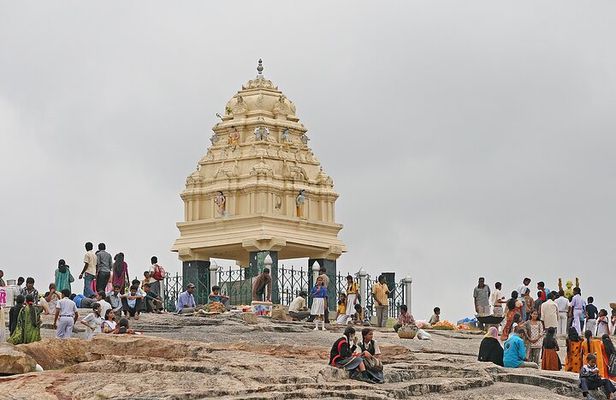
As we move from the Glass house, we cannot but appreciate the cool effect of the Ficus Benjamina trees which forms a boulevard. Around the same area we see a number of Wooden Sculptures made by local artists from trees which had fallen in the Garden in the last 10 years. The Kempegowda tower on top of the Stone Hill was built by the grandson of Kempegowda I who founded Bangalore in the 16th Century. The Stone hill itself is of great geological importance and is estimated to be 3000 million years old. Its a type of granite and is called the Peninsular Gneiss.
-
From the Glass house, we move towards the Lalbagh main gate or the Northern entrance. We pass by a Japanese Bonsai Garden, beautiful Boganvilla flowers, the tallest Aurocaria tree in the garden, a 270-year old mango tree, a statue of King Chamarajendra Wodeyar the Xth, a floral clock with the theme of Snow white, before arriving at the exit. From here, MTR, is about a five minute walk
-
Mavalli Tiffin Room or MTR was established in 1924 is an iconic eatery and one of the most popular vegetarian food joints in Bangalore. If you are a visitor to Bangalore, you are expected to have visited MTR and tasted its food. Even if we have to wait for our breakfast due to early morning rush, the wait would be worth it! After a sumptuous breakfast, the guide would say goodbye to the visitors.
If it’s canceled due to poor weather, you’ll be offered a different date or a full refund.
How it works?
01
—
You choose from 10,000+ experience gifts
02
—
We deliver the eVoucher or the Physical box to the recipient
03
—
Recipient books the experience and creates unforgettable memories!
Lalbagh Botanical Garden Early Morning Walk + Breakfast at MTR 7% OFF
Bangalore, India
$59.65
This is an experience gift voucher. The recipient will book the experience after
they redeem the gift voucher.
How it works?
01
—
You choose from 10,000+ experience gifts
02
—
We deliver the eVoucher or the Physical box to the recipient
03
—
Recipient books the experience and creates unforgettable memories!