


No expiration date
Easy refund
Free exchange
Easy booking
Private Prague Cold War Walking Tour 7% OFF
 Prague, Czech Republic, Europe
$362.83
This is an experience gift voucher. The recipient will book the experience after
they redeem the gift voucher.
Overview
The National Memorial features the Hall of the Red Army and the mausoleum of Klement Gottwald, first chairman of the KSC. This private 3-hour walking tour in Prague is led by a historian guide and reveals the life of Prague under totalitarianism.
- 🕵️♂️ Guided by a historian, providing in-depth insights into historical contexts.
- 🏛️ Includes visits to the mausoleum and laboratory showcasing Klement Gottwald.
- 📜 Explore numerous sites reflecting Prague's totalitarian past.
- 🚶♂️ The tour lasts 3 hours, ensuring a comprehensive experience.
- ❗ Private tour; specific group size may apply, details provided upon booking.
To keep footprints lighter, Tinggly offers instant digital delivery, a never-expiring benefit, and global options.
—
Private tour
Private walking tour: 3-hour guided, private walk of sites that illuminate the life of Prague under 40 years of totalitarianism in the company of a historian
Private walking tour: 3-hour guided, private walk of sites that illuminate the life of Prague under 40 years of totalitarianism in the company of a historian
Tour guide
Language: English
Human tour guide
Duration: 3 hours
- Historian guide
- Tram tickets
- Hotel pickup and drop-off
- Gratuities
- Food and drinks
Meeting point
Please meet your guide outside Kostel Svaty Josef, Náměstí Republiky 1077/2, 110 00 Praha 1.
Return details
-
Pedestrian Tunnel Karlin-ZhizhkovWalk through the pedestrian tunnel and observe the locked doors leading to nuclear bomb-shelter corridors build in the Cold War era and still maintained.
-
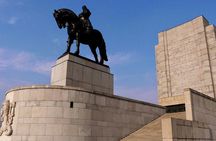
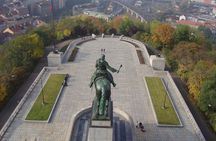
National Monument at VitkovNational Monument commemorating the Czech and Slovak warriors of WWI. The Hall of the Soviet Soldier. The former mausoleum of the General Secretary and the Chairman of the Communist Party of Czechoslovakia, Klement Gottwald. The monument to Jan Zizka -- the third largest bronze equestrian statue in the world.
-
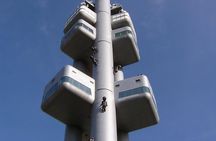
Prague TV tower - Zizkov Television TowerBest view of the Brutalist style Zizkov Television Tower.
-
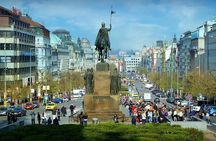
Wenceslas SquareWalk through and consider the history of the square from its founding in the 14th century through it's tumultuous history of military parades of occupying powers to the tragic events of Prague Spring to the ecstatic gathering of the Velvet Revolution.
-
Upside-Down Statue of King Wenceslas Riding a Dead HorseAdmire the ironic sculpture of King Wenceslas and consider it's relevance to contemporary Central European political atmosphere.
How it works?
01
—
You choose from 10,000+ experience gifts
02
—
We deliver the eVoucher or the Physical box to the recipient
03
—
Recipient books the experience and creates unforgettable memories!
Private Prague Cold War Walking Tour 7% OFF
Prague, Czech Republic, Europe
$362.83
This is an experience gift voucher. The recipient will book the experience after
they redeem the gift voucher.
How it works?
01
—
You choose from 10,000+ experience gifts
02
—
We deliver the eVoucher or the Physical box to the recipient
03
—
Recipient books the experience and creates unforgettable memories!