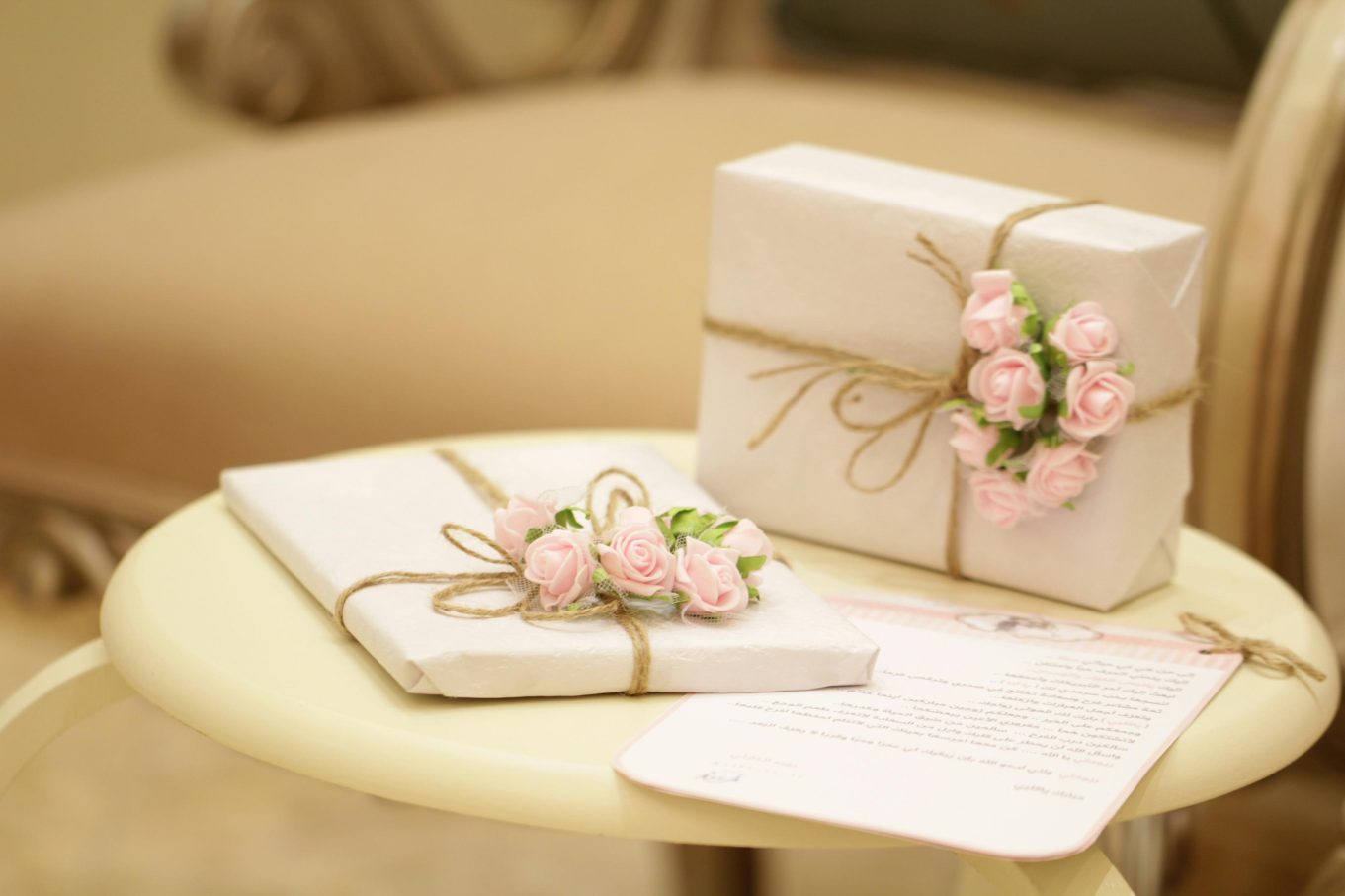


Traditional wedding gifts are more than items wrapped in paper. They are symbolic gestures shaped by centuries of history and meaning. Silver passed through generations, gold sewn into bridal clothing, envelopes containing lucky numbers, and loaves of bread shared as a blessing against hunger all reflect traditions rooted in culture, family, and hope for the future. These customs still carry significance today, and understanding them is one of the most respectful things a wedding guest can do.
But the world has changed. Couples marry later, often already sharing a home. Many marry across cultural lines. Others live in compact city apartments where storage is a luxury. And more than a few prefer a shared memory over another serving platter.
This guide covers both a country-by-country exploration of traditional wedding gifts across more than 30 cultures, including what these customs mean and why they continue to endure, and modern experience gifts that can serve as thoughtful complements or alternatives. Whether you are navigating an unfamiliar tradition, exploring your own heritage, or simply searching for meaningful ideas, this is a strong place to begin.
TL;DR: What Are Traditional Wedding Gifts?
Traditional wedding gifts vary by culture but fall into a few enduring categories: household items (linens, china, silverware), symbolic objects (good luck charms, religious items, family heirlooms), money or gold (the norm across South Asia, East Asia, the Middle East, and Eastern Europe), and food or drink offered as a blessing of abundance. When uncertain about which tradition to follow, a flexible wedding gift experience is a safe, culturally sensitive, and increasingly popular option that crosses cultural lines without stepping on any.
Traditional Wedding Gifts at a Glance
| Region / Culture | Classic Traditional Gift | Modern Experience Alternative |
|---|---|---|
| Western European | China, silverware, fine linen | Cooking class, wine tour |
| Eastern European | Embroidered cloth, bread, and salt | City food tour, folk cultural experience |
| East Asian | Red envelopes with cash, gold, and tea sets | Food tour, heritage experience |
| South Asian | Gold jewelry, cash (shagun), saris | Heritage tour, backwaters cruise |
| Latin American | Arras coins, Talavera pottery | Cenote dive, tequila tasting |
| Middle Eastern / Muslim | Mahr, gold jewelry, Quran sets | Hammam, food tour |
| African | Kola nuts, traditional cloth, and bridewealth | Safari, wine tour, city food experience |
| Celtic | Claddagh ring, quaich, love spoon | Distillery tour, coastal walk |
| Nordic / Viking | Morning gift of silver, drinking horn | Fjord cruise, Northern Lights trip |
Why Traditional Wedding Gifts Still Matter
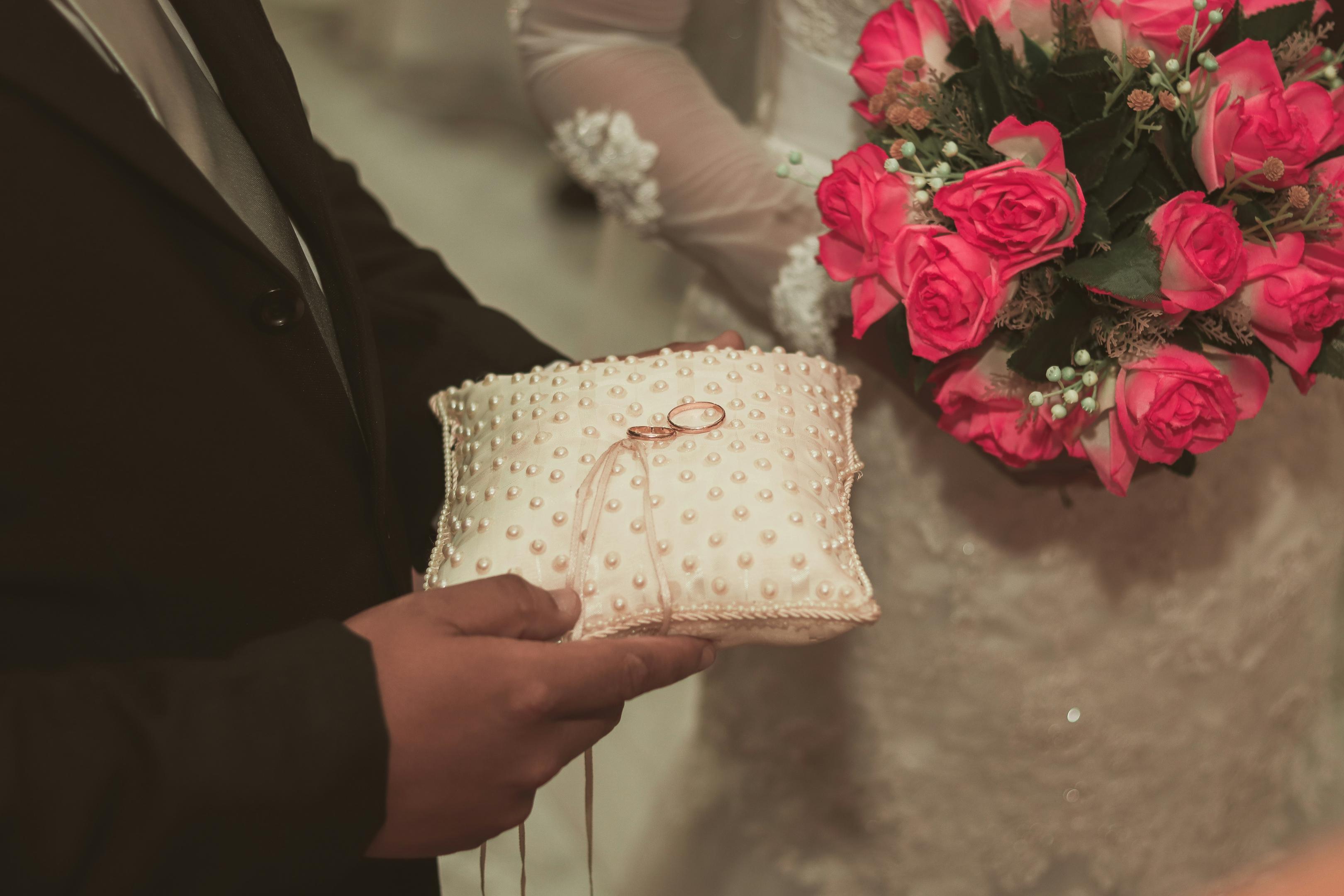
Every traditional wedding gift carries meaning beyond the object itself. Silver symbolizes lasting prosperity, while linens represent the home a couple is building together. Gold has long served as portable security passed between families and generations. Food items such as bread, almonds, nuts, and honey traditionally symbolize abundance and the hope that the new household will always have enough to share and enjoy.
These gifts are blessings, rites of passage, and marks of belonging. When an elder presents a young couple with an embroidered cloth or a small gold piece, they are connecting the couple to everyone who came before them. Even in the most secular modern wedding, a single traditional wedding gift can carry that charge.
Why Many Couples Now Prefer Non-Traditional or Experience-Based Wedding Gifts
Many couples today have already lived together for years before getting married, which means they often already own most household essentials. Others live in smaller apartments where storage space is limited. Some couples marry across cultures and feel both connection and uncertainty toward different family traditions. A growing number also place greater value on experiences than on material possessions.
None of this reflects a rejection of tradition. Non-traditional wedding gifts, especially experience-based gifts, have become more popular because they can exist alongside traditional customs rather than replace them. A guest might give a small symbolic traditional item together with an experience that the couple can enjoy anywhere in the world. In that combination, the traditional gift honors family and heritage, while the experience gives the couple something meaningful to anticipate and share together.
Traditional Wedding Gifts by Country and Culture
The sections below explore traditional wedding gifts from more than 30 cultures, explaining what each gift represents, why the tradition continues, and how a modern experience-based alternative can complement it in a meaningful way.
Traditional Irish Wedding Gifts
Classic traditional Irish wedding gifts include horseshoes presented in an upright U-shape to “hold” good luck, as well as Claddagh symbols featuring hands holding a crowned heart to represent love, friendship, and loyalty. Wedding bells are another longstanding tradition, intended to be rung during disagreements as a reminder of the couple’s vows and commitment to one another. Handmade gifts connected to a family name or heritage often carry special significance as well.
For a modern complement to these traditions, a Tinggly Ireland experience can feel especially meaningful. A Cliffs of Moher day trip, a Galway food tour, or a scenic drive along the Wild Atlantic Way offers couples with Irish heritage, or those planning an Irish honeymoon, a memorable way to connect with the country and create new shared memories.
Traditional Scottish Wedding Gifts
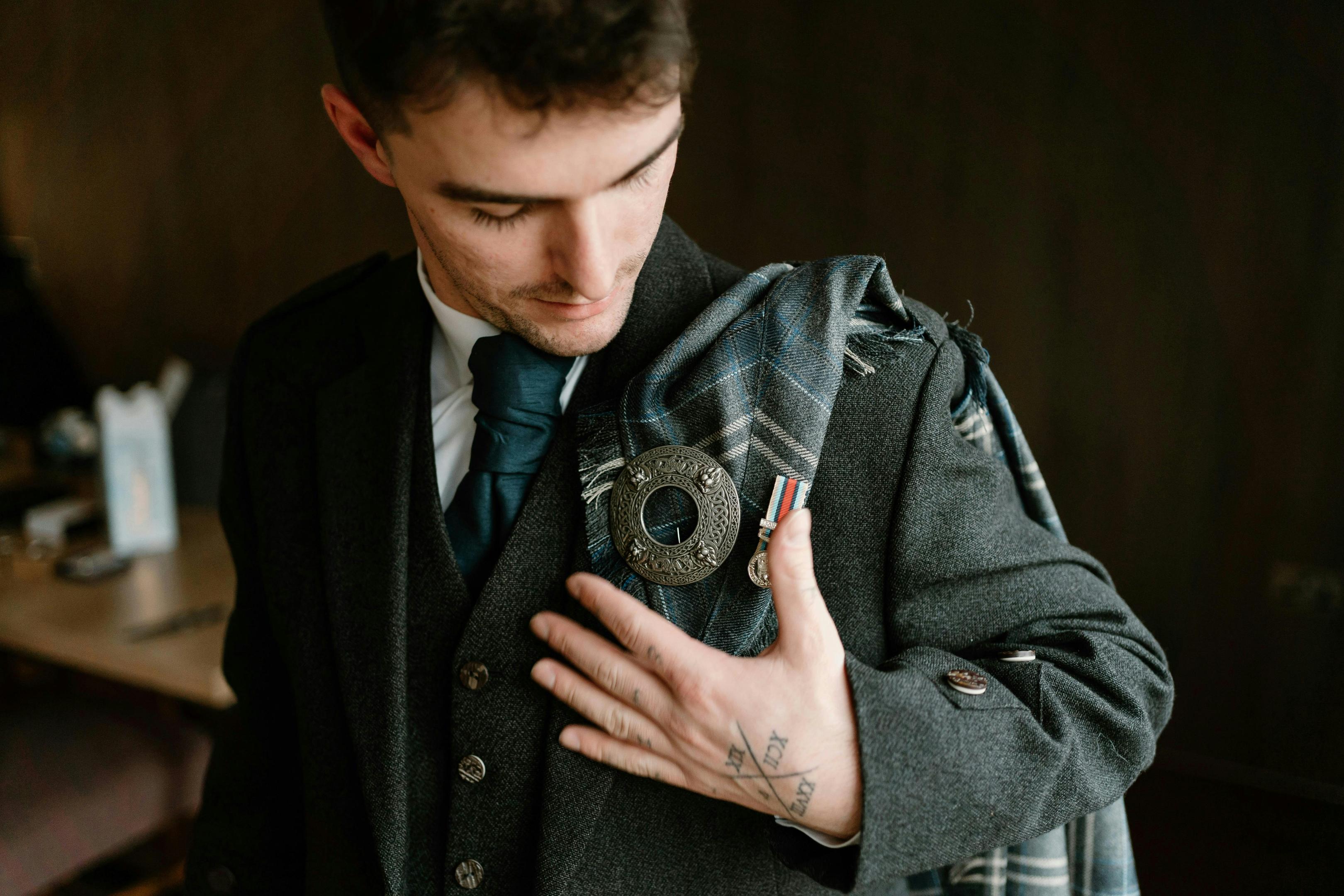
The quaich, a shallow silver cup with two handles, is one of Scotland’s most meaningful traditional wedding gifts. The couple drinks from the same vessel to symbolize a shared life and mutual trust. Other classic Scottish wedding gifts include the sgian-dubh, a ceremonial knife traditionally worn with a kilt, along with tartan blankets and silverware featuring clan crests or family emblems.
A modern Scottish experience can complement these traditions beautifully. Tinggly Scotland experiences include a whisky distillery tour through Speyside, a boat trip on Loch Lomond, and many others, which offer couples a memorable way to experience the atmosphere, landscape, and culture that define Scotland.
Traditional Welsh and Celtic Wedding Gifts
The Welsh love spoon is one of the most distinctive traditional Celtic wedding gifts. Hand-carved wooden spoons are given as symbols of affection and commitment, with each carved detail carrying its own meaning. A key may represent the heart, a wheel symbolizes hard work and support, and a chain reflects togetherness and lasting connection. The tradition extends across Wales, Ireland, Scotland, and Cornwall as part of a broader Celtic gifting heritage.
For a more modern approach, Welsh experience gifts can serve as a fitting complement to this tradition. A walk through Snowdonia or a coastal kayaking experience in Pembrokeshire offers couples a memorable way to connect with the landscapes and spirit of the country.
Traditional British Wedding Gifts
The British wedding registry is itself a Victorian-era invention and one of the earliest formal systems designed to help guests give couples items they genuinely needed for their home. Traditional British wedding gifts often include fine china, silverware, crystal, and rich fruitcake, all of which carry associations with hospitality, prosperity, and celebration. The well-known rhyme “something old, something new, something borrowed, something blue” also dates back to the same period and remains part of many British weddings today.
A modern UK experience from Tinggly can complement these traditions in a contemporary way. Afternoon tea, a London helicopter tour, or a walking getaway in the Lake District offers couples the chance to create shared memories while still honoring the spirit of thoughtful gifting.
Traditional German Wedding Gifts
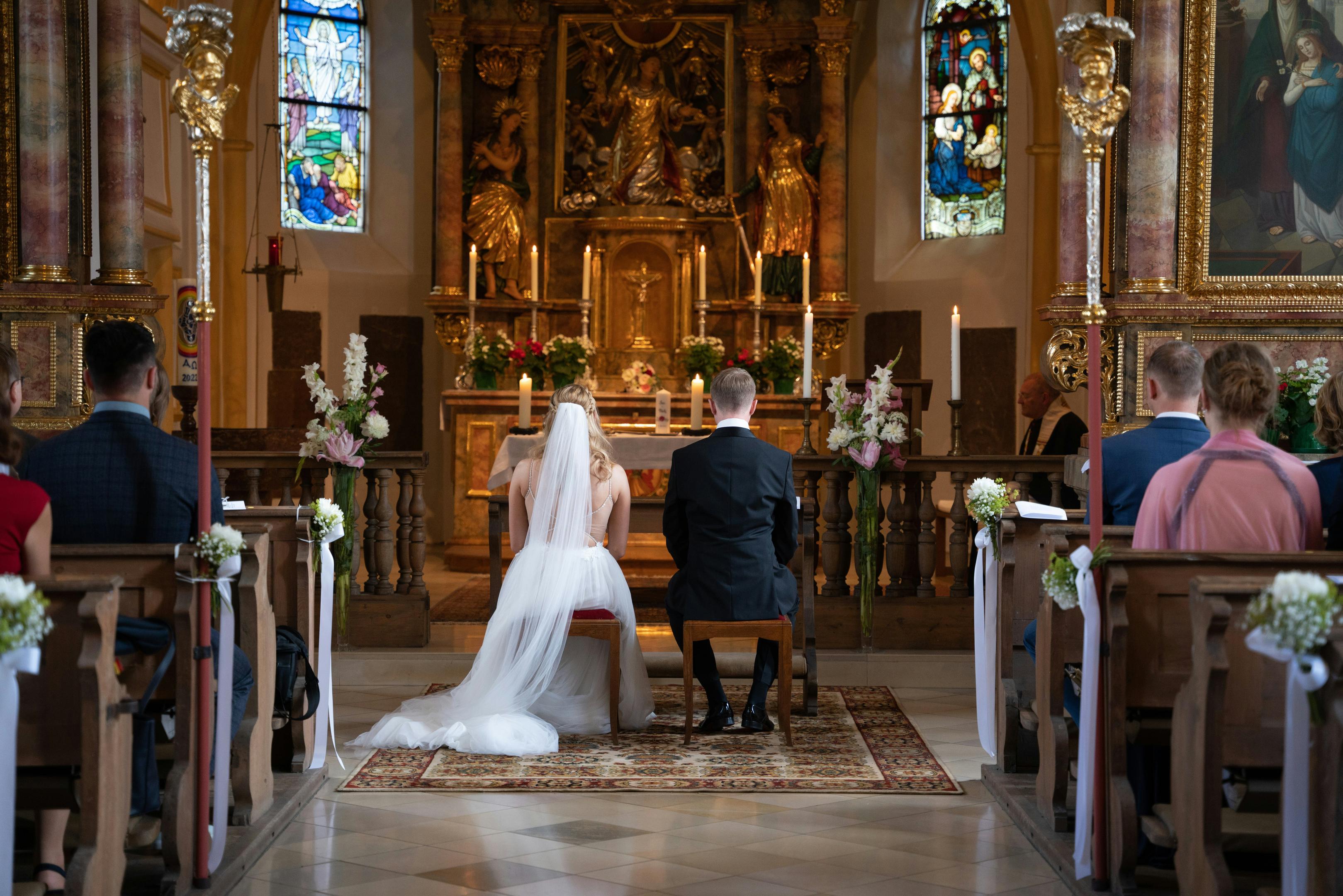
One of Germany’s most theatrical wedding traditions takes place the night before the ceremony during the Polterabend. Guests bring old porcelain to smash as a symbol of good luck, and the couple cleans up the broken pieces together as their first act of teamwork and shared responsibility. Traditional German wedding gifts often include cuckoo clocks, beer steins, embroidered linens, and hope chests filled with practical household goods intended to help start married life.
If you want to thoughtfully complement these customs, German experience from Tinggly can help. A Berlin food tour, a visit to Bavarian castles, or a wine cruise along the Rhine provides couples with a memorable way to experience the country’s culture, history, and landscapes together.
Traditional Italian Wedding Gifts
Confetti, the traditional Italian sugared almonds given in odd numbers, usually five, appear at nearly every Italian wedding. Each almond symbolizes a wish for the couple: health, wealth, fertility, longevity, and happiness. Cash gifts presented in a busta (envelope) are also customary for most guests. Other traditional Italian wedding gifts include fine ceramics, Murano glass, quality linens, and regional wines, with customs often varying between northern and southern Italy.
Many wedding guests pair their customs with a Tinggly Italy experience. This could be anything from a Tuscan pasta-making class with a local family to a Vespa tour through Rome, which offers couples an immersive way to experience Italian culture while creating memories together.
Traditional Greek Wedding Gifts
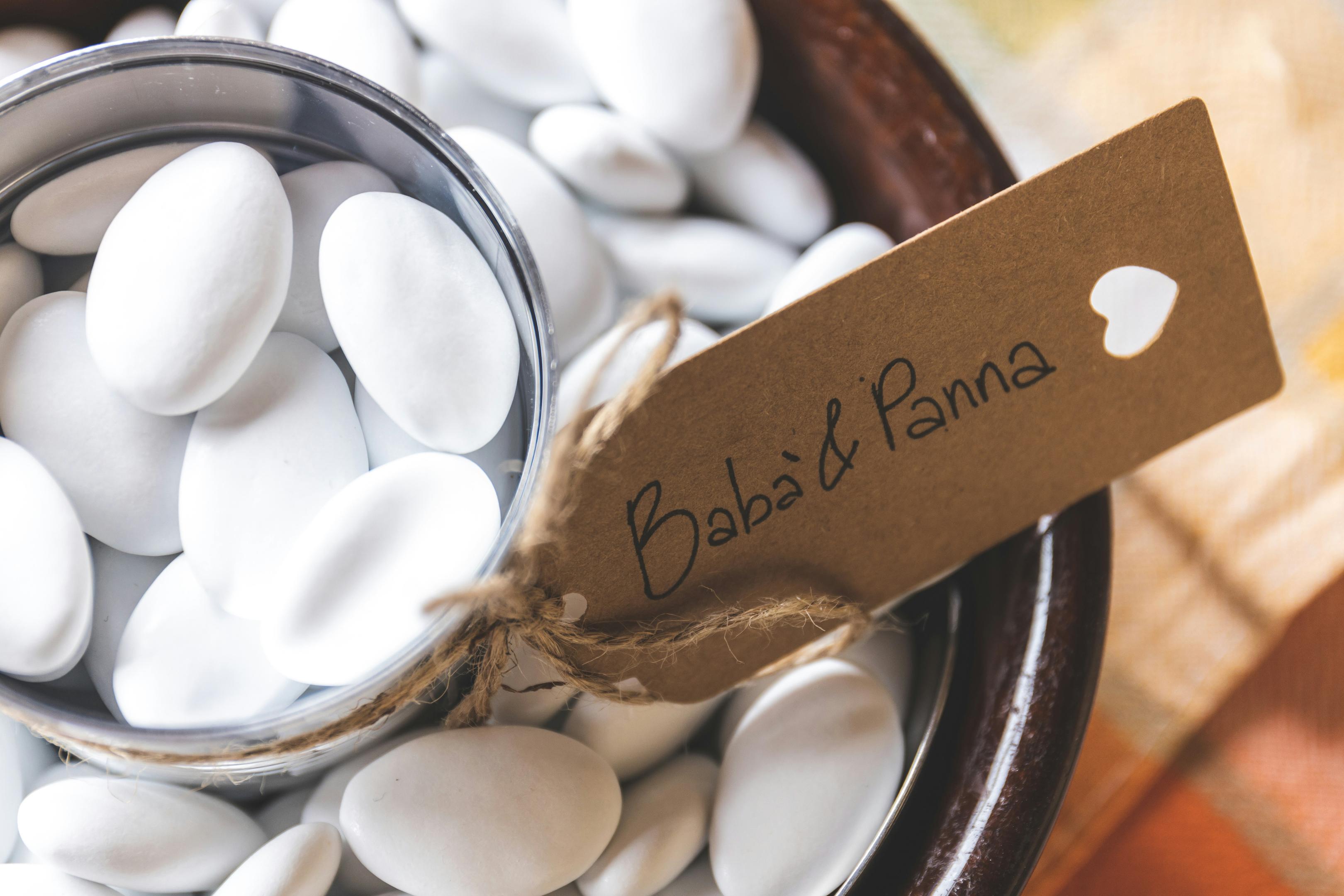
Traditional Greek wedding gifts are filled with symbolism and ritual. Gold coins tossed toward the couple represent prosperity, while evil-eye mati charms are given to protect the marriage from jealousy and bad fortune. Koufeta, or sugared almonds, symbolize sweetness and fertility, and wine mixed with honey reflects hopes for a joyful and harmonious marriage. Another well-known tradition is the money dance, during which guests pin banknotes onto the couple while dancing as a festive, communal expression of support and generosity.
You can make these symbolic gifts even more special with a Tinggly Greece experience. Give the couple a sunset sailing cruise in Santorini or a street food tour through Athens, which captures the Greek appreciation for celebration, hospitality, and enjoying life together.
Traditional Spanish and Catholic Wedding Gifts
The arras matrimoniales, a set of 13 gold or silver coins presented by the groom to the bride, symbolize his commitment to support the marriage and household. In Catholic tradition, the coins are also associated with Christ and the twelve apostles. Other traditional Catholic wedding gifts shared across Spanish, Italian, Filipino, and Latin American cultures include rosaries, blessed candles, religious artwork, and family bibles, all intended to offer spiritual guidance and protection for the couple’s future together.
Pair the traditional gifts with a Tinggly Spain experience. You can gift a flamenco performance in Seville or a tapas tour through Barcelona, which allows couples to experience the warmth, energy, and hospitality that define Spanish culture.
Traditional Portuguese Wedding Gifts
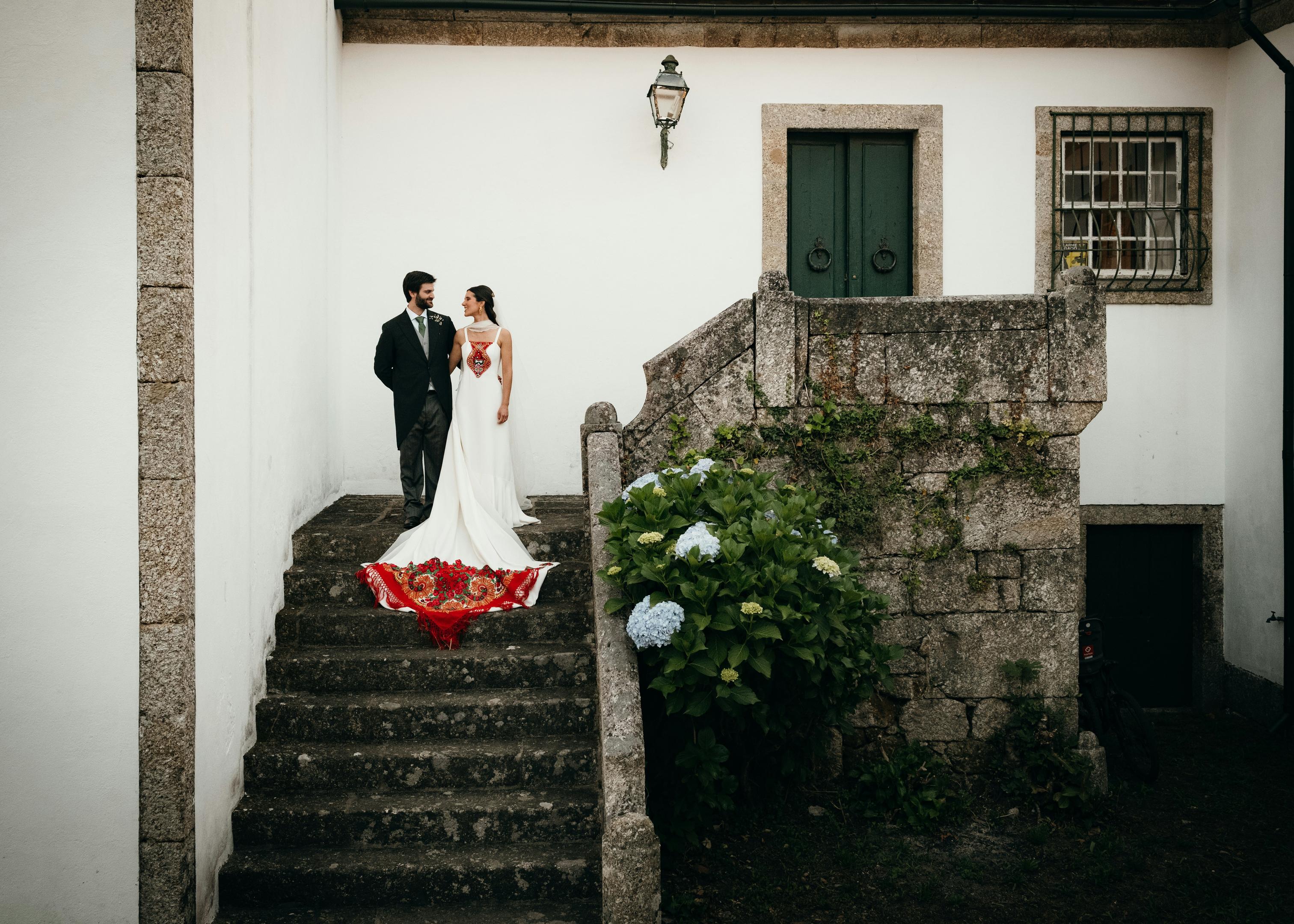
Gold jewelry sits at the center of traditional Portuguese wedding gifts. They are passed between families as both a celebration and a form of financial security. The bridal trousseau (enxoval) adds beautifully embroidered linens and textiles. Port wine, hand-painted Alentejo ceramics, and azulejo-decorated pieces are classic gifts.
A Tinggly Portugal experience — a Douro Valley wine tour or a Lisbon food walk through Alfama — honors the country’s deep food and craft culture.
Traditional French Wedding Gifts
The coupe de mariage (a two-handled wedding cup), fine table linens, monogrammed silver, and Limoges porcelain are the pillars of traditional French wedding gifts. French weddings lean toward elegance and restraint over abundance.
A France Tinggly experience, such as a champagne house tour in Reims, a Parisian wine and cheese evening, or a Provence cycling day, is a gift that feels distinctly and beautifully French.
Traditional Ukrainian Wedding Gifts
The rushnyk, a long embroidered cloth used in the ceremony and kept as a family heirloom, is among the most meaningful traditional Ukrainian wedding gifts. The korovai (a round braided bread baked with song by married women) represents community blessing.
Embroidered linens and wreaths of wheat for fertility complete the tradition. An experience from Tinggly in Ukraine or a wider Eastern European experience works as a modern complement for couples with Ukrainian heritage.
Traditional Polish Wedding Gifts
In Poland, a couple is greeted by their parents at the reception with chleb i sól. A loaf of bread so they never go hungry, salt to remind them that life has bitter moments.
Among guests, traditional Polish wedding gifts include embroidered linens, fine crystal, handmade lace, and a bottle of the family’s preferred vodka.
A Tinggly Poland experience, such as a Krakow food tour or a visit to the Wieliczka Salt Mine, is a culturally rich gift if you’re looking for something more modern.
Traditional Latvian Wedding Gifts
Handwoven sashes (jostas) are among the most meaningful traditional Latvian wedding gifts. They are given as a symbol of the weaver’s time and good wishes. Oak-leaf wreaths for the groom, wildflower wreaths for the bride, silver sakta brooches, honey, amber jewelry, and rye bread complete the Baltic folk tradition.
Pair these with a Tinggly Latvia experience: a Riga Art Nouveau tour or a traditional pirts sauna ritual that honors the country’s deep connection to land and craft.
Traditional Swedish Wedding Gifts
The morgongåva, the “morning gift” historically given by the groom to the bride as her financial security, is one of Scandinavia’s oldest traditions. Today, traditional Swedish wedding gifts include hand-embroidered textiles, quality silverware, and the Dala horse: a carved, painted wooden horse from Dalarna representing home and national pride.
A Swedish experience from Tinggly, such as a Stockholm archipelago boat trip or a Swedish sauna and cold-water dip, suits couples with Scandinavian roots beautifully.
Traditional Danish Wedding Gifts
The kransekage, a towering marzipan-almond ring cake decorated with small Danish flags, is the centerpiece of the Danish wedding feast. Traditional Danish wedding gifts lean toward quality over quantity: Royal Copenhagen porcelain, Georg Jensen silverware, and hygge-inspired homewares emphasizing craft and longevity.
A Denmark Tinggly experience — a Copenhagen canal tour or a New Nordic tasting menu is excellent for couples who love good food and unhurried beauty.
Traditional Viking and Norse-Inspired Wedding Gifts
The morgengifu is a morning gift of silver or land that establishes the bride’s standing in the new family. Ancestral swords were passed between families as tokens of trust and alliance. Drinking horns filled with mead were shared at the wedding feast; indeed, “honeymoon” derives from the Norse tradition of drinking honey-mead for a full moon after the ceremony. Mjölnir pendants remain popular traditional Viking wedding gifts today.
You can pair traditional gifts with Tinggly Norway experiences, such as a fjord cruise or a Northern Lights chase, and the curated Viking wedding gifts category offers experience options for couples with a strong Nordic identity.
Traditional Indian Wedding Gifts
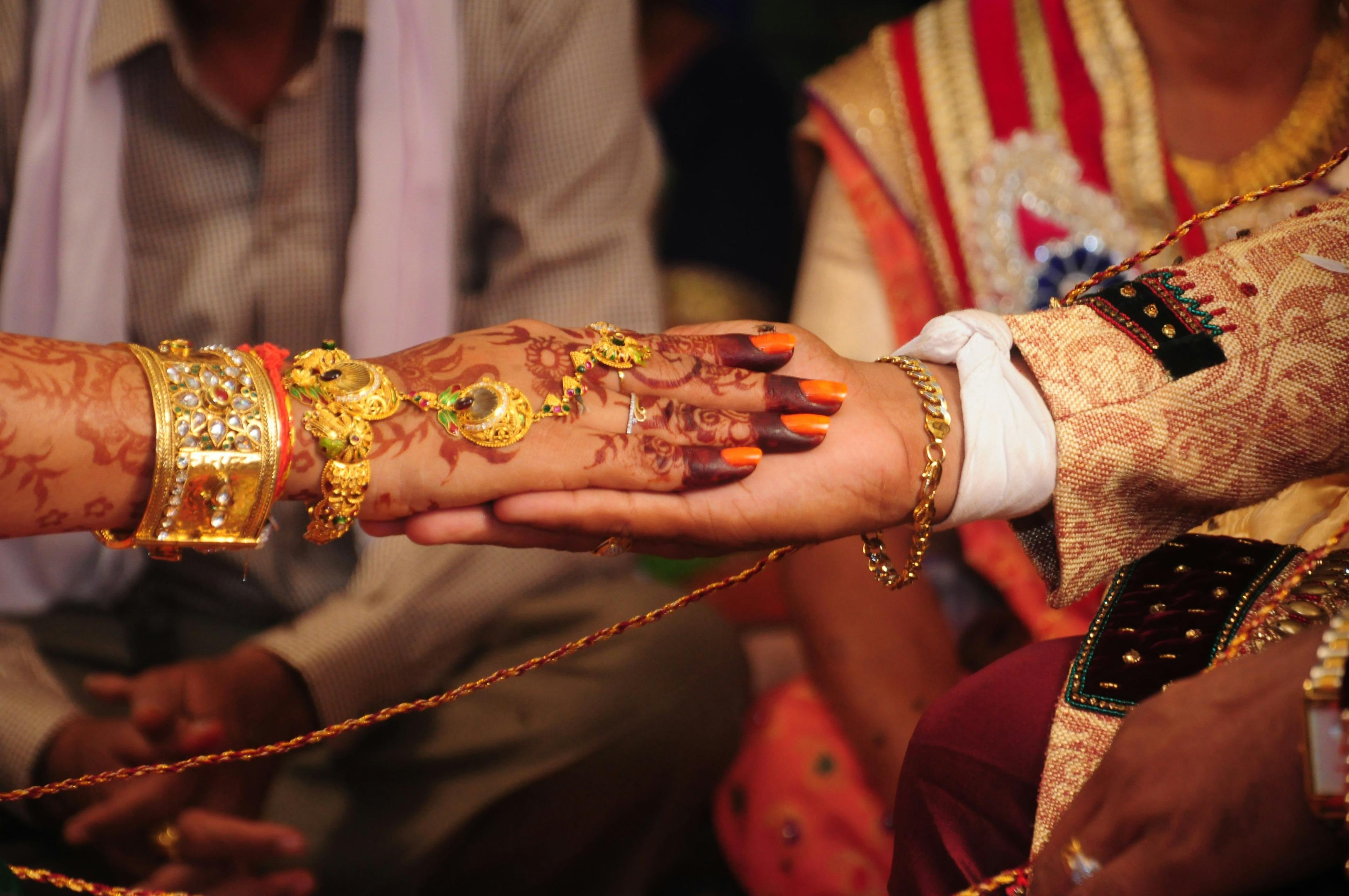
Gold jewelry remains one of the most enduring traditional Indian wedding gifts and is often given by the bride’s family as both a celebratory gesture and a form of financial security. Shagun, the custom of giving cash gifts in amounts ending in 1, such as 101, 501, or 1001, symbolizes an ongoing blessing and continued prosperity.
Other traditional gifts can include silk saris, embroidered sherwanis, silver puja items, and high-quality kitchenware, although customs vary widely across North Indian, South Indian, Bengali, Punjabi, and many other regional traditions.
A modern Tinggly India experience can complement these customs beautifully. A Taj Mahal tour, a helicopter flight over Mumbai, or a houseboat journey through the Kerala backwaters offers couples a memorable way to experience the country’s culture, landscapes, and sense of celebration together.
Traditional Japanese Wedding Gifts
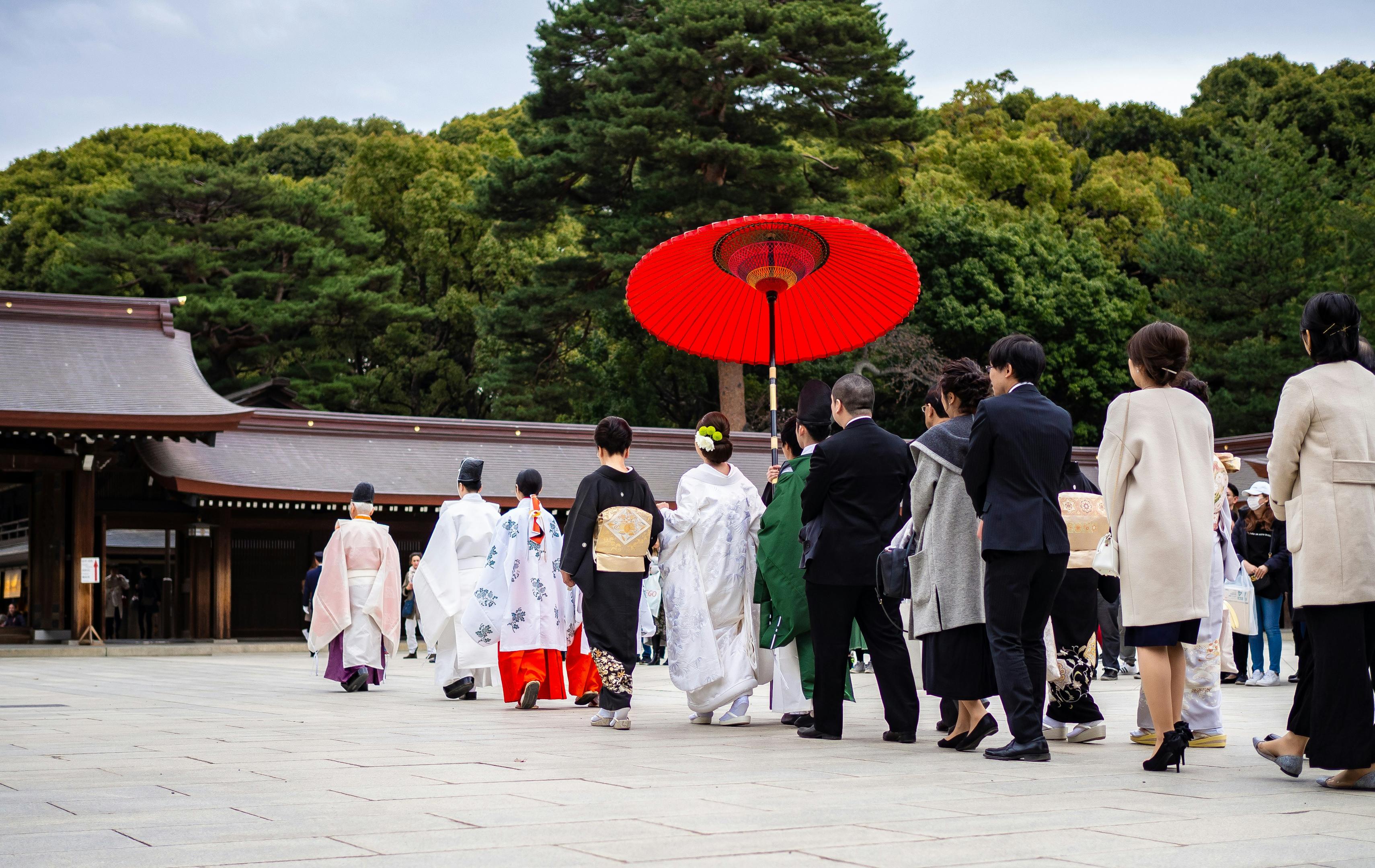
Goshugi, the Japanese tradition of giving cash in decorative envelopes called shugi-bukuro, follows strict customs and symbolism. The amount is typically given in odd numbers because even numbers can be evenly divided, which symbolically suggests separation.
Elegantly wrapped sake bottles used in the san-san-kudo ceremony, where the couple exchanges sake in a three-times-three ritual, are also meaningful traditional wedding gifts, as are lacquered tea ceremony sets associated with hospitality and refinement.
The amount placed inside the envelope often depends on the relationship to the couple, whether the guest attends alone or with a partner, and local regional customs.
For something less traditional, consider a Japan experience from Tinggly. You can gift the couple a Kyoto kimono tea ceremony, a Tokyo food tour, or a Mount Fuji guided sunrise.
Traditional Korean Wedding Gifts
Ye-mul, the exchange of meaningful gifts between families before the wedding, carries deep importance in Korean wedding traditions. These gifts often include fine fabrics, hanbok garments, ginseng, and ceremonial items intended to show respect and strengthen the bond between families. During the pyebaek ceremony, the groom’s parents offer dates and chestnuts to the couple as symbols of fertility and future children.
Wooden geese, representing lifelong fidelity and commitment, are traditionally presented to the groom’s family. Today, cash gifts in white envelopes have also become a common part of Korean wedding celebrations.
A South Korea experience from Tinggly can complement these traditions beautifully. A street food tour through Seoul or a getaway to Jeju Island offers couples a memorable way to experience the country’s food, culture, and landscapes together.
Traditional Korean Wedding Gifts for Parents
In Korean tradition, gifts for the couple’s parents can be just as important as gifts for the couple themselves. The ye-mul exchange often includes hanbok garments for both sets of parents, along with premium ginseng, traditional teas, and high-quality Korean spirits as signs of gratitude and respect between families.
For guests who are especially close to the families, a shared-experience gift can serve as a thoughtful, modern complement. A fine-dining experience, a spa day, or a short getaway for two offers a meaningful way to celebrate connection and appreciation. Tinggly experiences make this possible in South Korea and in more than 100 countries worldwide.
Traditional Filipino Wedding Gifts
The arras, a set of 13 coins presented by the groom to the bride, and the rosary-and-veil ceremony are among the defining traditions of a Filipino Catholic wedding. South Sea pearls, for which the Philippines is internationally known, are considered especially elegant and meaningful traditional wedding gifts.
Wedding receptions also place strong emphasis on food and celebration, with lechon and traditional Filipino sweets often at the center of the feast. In Chinese-Filipino communities, additional customs and symbolic gifts may also be incorporated into the celebration.
A Philippines experience from Tinggly can beautifully complement these traditions. Island-hopping in Palawan or a heritage walking tour through Manila’s Intramuros district allows couples to experience the country’s natural beauty, history, and rich cultural character together.
Traditional Vietnamese Wedding Gifts
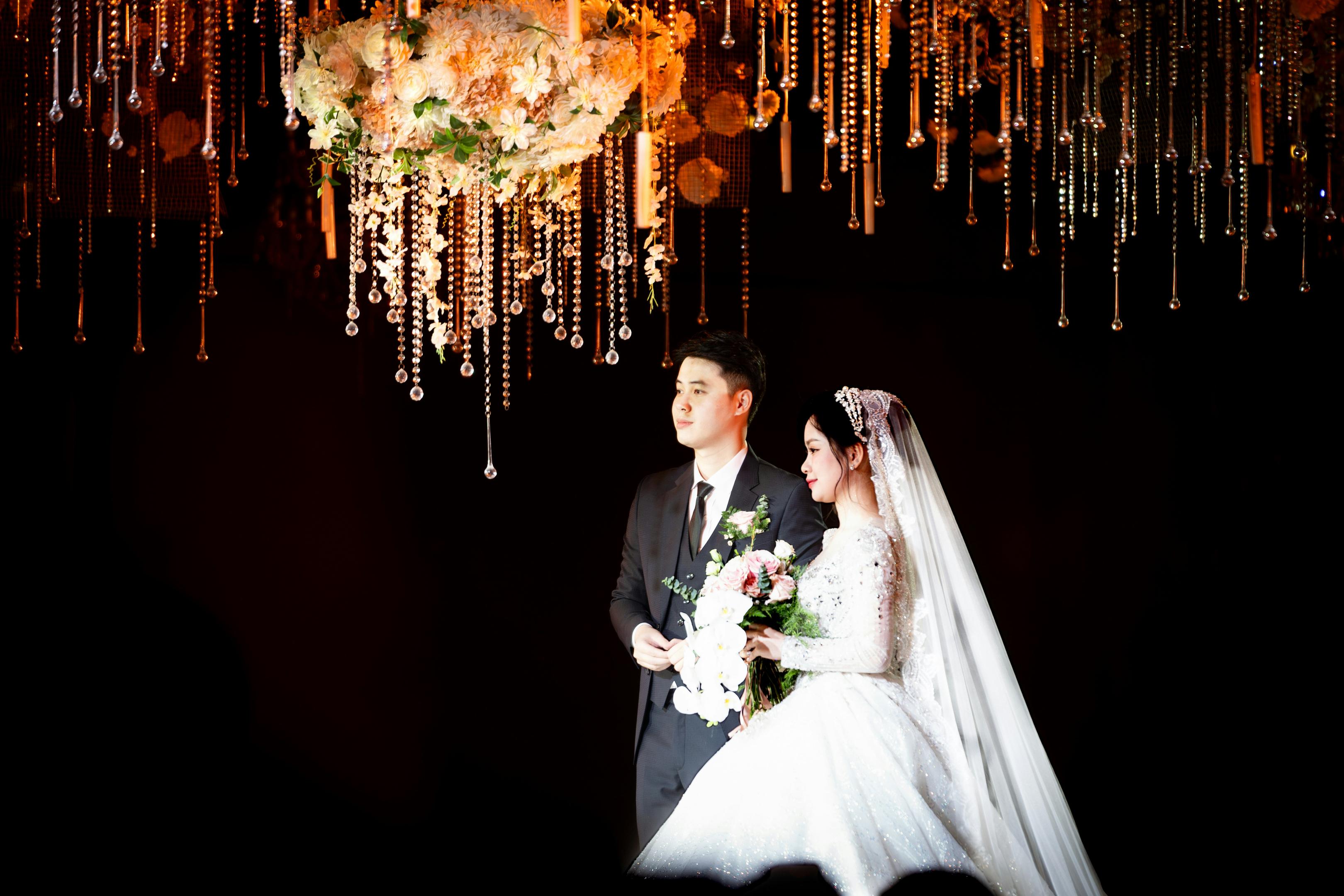
The lễ đen engagement ceremony involves the groom’s family presenting lacquered trays filled with betel leaves and areca nuts, symbols of marriage and devotion that have existed in Vietnamese culture for thousands of years. These offerings are often accompanied by gold jewelry, jade, and carefully arranged tropical fruits presented as signs of respect and prosperity.
During the wedding itself, guests traditionally give lì xì, or red envelopes containing cash, with the amount typically expected to at least cover the cost of attending the celebration.
While a Vietnam experience from Tinggly is not a traditional gift, it can help the married couple to connect with their roots. A Halong Bay overnight cruise, a Hanoi street food walk, or a Hoi An lantern-making class are perfect for this.
Traditional Mexican Wedding Gifts
The lazo, a figure-eight cord or rosary placed around the couple during the ceremony, and the arras, 13 coins presented by the groom, are central symbols in a traditional Mexican Catholic wedding. Talavera pottery, embroidered textiles, artisanal mezcal, and fine tequila are also cherished traditional wedding gifts that reflect Mexico’s regional craftsmanship and celebratory culture. Another important tradition is the padrino system, in which sponsors contribute specific elements of the wedding, making gift-giving a deeply communal act rooted in family and shared support.
Tinggly Mexico experiences, such as a cenote diving trip, a Mexico City food tour, or a tequila tasting in Jalisco, are a rich and joyful modern alternative to the traditional gift.
Traditional Brazilian Wedding Gifts
Bem-casado sweets, small almond-filled cakes given to guests by the couple, are central to many Brazilian wedding celebrations and symbolize a sweet and lasting marriage. Traditional Brazilian wedding gifts can include embroidered linens, religious icons in strongly Catholic regions, and contributions to the couple’s enxoval, or household trousseau. At modern Brazilian weddings, cash gifts and honeymoon contributions have also become increasingly common.
Complement these gifts with a Brazil experience from Tinggly, for a post-wedding adventure. A Rio de Janeiro Sugarloaf cable car, a samba class, or an Iguazu Falls experience will help capture Brazil’s extraordinary exuberance and help the couple connect with their roots.
Traditional Hawaiian Wedding Gifts
Leis, flower garlands given to honor the couple and their guests, are among the most recognizable traditional Hawaiian wedding gifts. Other treasured gifts in Hawaiian culture include items made from koa wood, a sacred hardwood native only to Hawaii, hand-stitched Hawaiian quilts featuring meaningful patterns, and the ceremonial hoʻokupu, an offering traditionally wrapped in ti leaves.
The concept of ohana, meaning family in its broadest and most inclusive sense, influences every aspect of the celebration and gifting traditions.
Tinggly Hawaii experience can boost the wedding spirit with a traditional luau, a snorkeling excursion, or a helicopter flight over the islands.
Traditional African Wedding Gifts
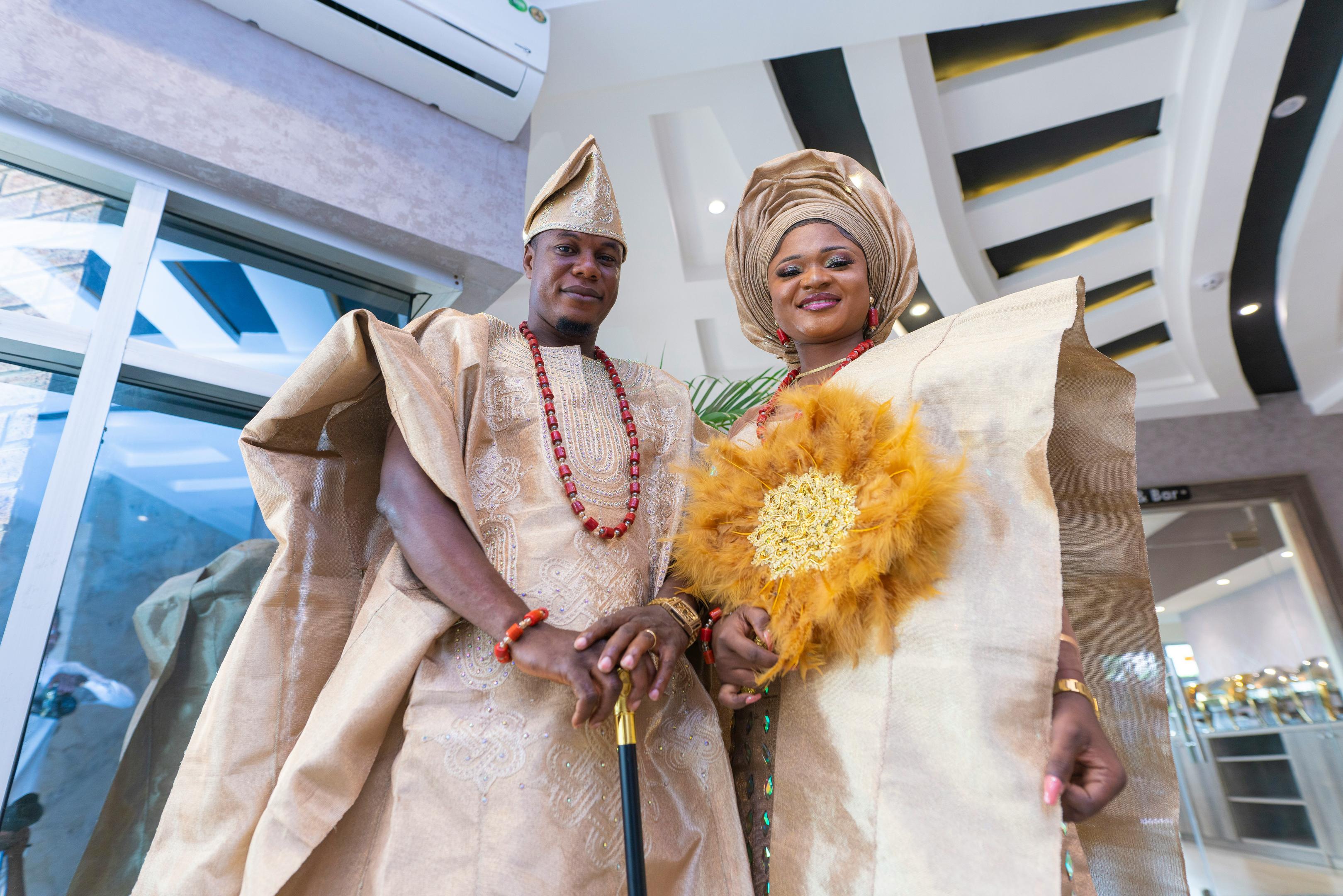
“African wedding traditions” encompasses thousands of distinct cultures across more than 50 countries, so any meaningful discussion should recognize that diversity rather than treating the continent as a single tradition. A few examples illustrate the richness and variation involved.
In many West African ceremonies, the kola nut symbolizes welcome, respect, and goodwill between families. Kente cloth in Ghana and aso oke fabric in Nigeria are traditional gifts associated with status, celebration, and family solidarity.
In East and Southern Africa, beadwork often carries cultural and symbolic meaning, while lobola, the bridewealth tradition practiced in parts of Southern Africa, reflects agreements and relationships between families.
In North Africa, gold jewelry remains an important traditional wedding gift connected to prosperity and security.
Traditional Nigerian Wedding Gifts
Nigerian weddings often extend across several days and may include traditional, civil, and church ceremonies, each with its own customs and celebrations. Aso ebi, the coordinated fabric worn by close friends and family members, serves not only as formal attire but also as a visible expression of loyalty, unity, and support for the couple.
Another distinctive Nigerian tradition is the spraying of cash onto the bride during the reception, a highly celebratory gesture symbolizing joy, prosperity, and communal generosity.
Traditional Nigerian wedding gifts also commonly include gold jewelry, important regional foods, and trousseau-style gifts exchanged between families.
For a more modern twist, a Tinggly Nigeria experience can provide a thoughtful complement to these traditions by giving the couple an opportunity to create lasting memories together.
Traditional Moroccan Wedding Gifts
Traditional Moroccan weddings can last anywhere from three to seven days, with gift-giving rituals woven throughout the celebrations. During the henna ceremony, the bride may receive gifts such as kaftans, silver jewelry influenced by Berber craftsmanship, and gold adornments.
Handwoven rugs and kilims are among the most treasured traditional Moroccan wedding gifts because each piece is unique and intended to last for generations. Hand-painted ceramic tajines also remain classic and meaningful gifts associated with Moroccan hospitality and home life.
If you already have a traditional gift in mind, check out Tinggly Morocco experiences. A Marrakech medina food tour, a Sahara desert camp, or a hammam ritual can give the couple an unforgettable sensory memory.
Traditional Muslim Wedding Gifts
Muslim weddings encompass a wide range of cultures and traditions, including Arab, Turkish, South Asian, Southeast Asian, West African, and Western Muslim communities, each with its own customs and ceremonial practices. One important tradition shared across many Muslim weddings is the mahr, a gift agreed upon in the marriage contract and given directly from the groom to the bride as her personal property.
Traditional Muslim wedding gifts often include gold jewelry, beautifully presented Quran sets, prayer mats, traditional sweets, and practical items intended for the couple’s new home.
Modern experience gifts can also complement these traditions thoughtfully. Tinggly’s Muslim wedding gifts category offers experience-based options designed with Muslim couples and their preferences in mind, providing meaningful ways to celebrate together while respecting cultural values and traditions.
Traditional Catholic Wedding Gifts
Wedding crucifixes, rosaries blessed by a priest, religious artwork, family bibles inscribed with the couple’s names, and blessed candles for the marital home are among the most recognizable traditional Catholic wedding gifts. These customs appear across Italian, Spanish, Filipino, Polish, and Latin American communities, each shaped by its own local traditions and cultural influences.
Modern experience gifts can also complement these traditions in meaningful ways. Tinggly’s Catholic wedding gifts category includes experiences connected to spiritually significant destinations such as Rome, the Camino de Santiago, and Lourdes, all of which may resonate deeply with a devout Catholic couple.
Traditional Amish Wedding Gifts
Amish weddings are shaped by values of simplicity, community, and practical usefulness, and the gifts given at these celebrations reflect those principles closely. Handmade quilts, handcrafted furniture, kitchen tools, canning supplies, and other useful household items form the core of traditional Amish wedding gifts. Decorative excess and luxury are generally avoided in favor of objects that support daily life and family stability.
For non-Amish guests attending an Amish wedding, the most respectful approach is to follow the family’s guidance and adhere to the tradition of practical gifting. In this setting, an experience gift is unlikely to feel appropriate, and acknowledging that distinction is important when choosing a thoughtful and respectful gift.
Traditional Armenian Wedding Gifts
Gold jewelry, lavash bread draped over the couple’s shoulders as a symbol of prosperity, traditional silverware, religious icons, and pomegranates broken at the threshold to represent fertility and abundance are all central elements of traditional Armenian wedding gifts. The k’avor, or wedding godparents, also play an important role in the ceremony and gift exchange, often serving as key spiritual and familial supporters of the couple.
Tinggly Armenia’s experience in Armenia can provide a meaningful complement to these traditions. A culinary tour through Yerevan or a guided visit to the monastery complex at Geghard offers couples a memorable way to connect with Armenian culture, history, and heritage together.
Traditional Canadian Wedding Gifts
Canadian wedding customs reflect a blend of British, French, Indigenous, and immigrant traditions that vary widely by region. Weddings in Quebec often follow French Catholic customs, while other parts of the country may reflect British traditions or multicultural influences shaped by diverse communities. Registry gifts, fine tableware, and honeymoon contributions are common throughout Canada and are generally viewed as practical and thoughtful wedding gifts.
Tinggly’s Canadian experiences can complement these traditions beautifully. Whale watching along the St. Lawrence River, a helicopter tour over Banff, or an experience at Niagara Falls allows couples to enjoy some of the country’s most remarkable landscapes while creating lasting memories together.
Traditional Wedding Gifts for Parents
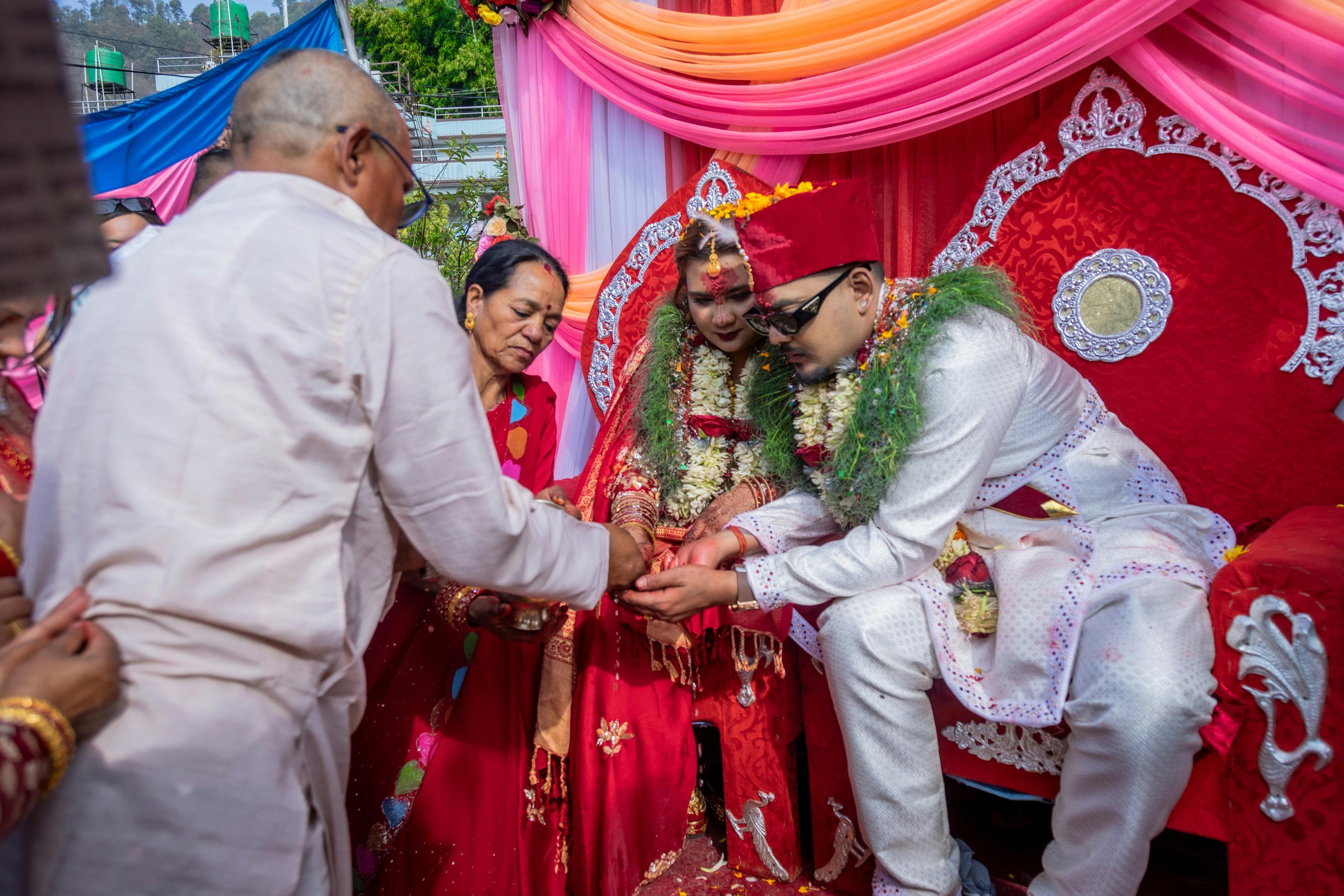
In many cultures, honoring the couple’s parents is as important as celebrating the couple themselves.
When the Couple Gives Gifts to Parents
In Korean, Chinese, Filipino, and many South Asian traditions, the couple formally presents gifts to their parents during the wedding. The Korean ye-mul exchange, the Chinese tea ceremony (where the bride serves tea to each elder and receives jewelry in return), and the Indian tradition of shagun given by the couple to their parents all express the same impulse: pausing to honor those who came before.
When Wedding Guests Give Gifts to Parents
In some cultures, guests also bring small gifts for the couple’s parents in addition to the main wedding gift. These offerings might include honey, traditional sweets, embroidered textiles, or a special bottle of wine or spirits. While this practice is less common in many Western weddings, it feels natural and meaningful within Korean, Chinese, and South Asian traditions, where honoring the wider family is an important part of the celebration.
Modern Alternative: An Experience for the Parents
A shared experience gift for the parents, such as a romantic dinner, a spa day, or a short weekend getaway, can be a thoughtful way to recognize their role in the celebration while giving them something they can genuinely enjoy together. Because Tinggly experiences are redeemable in more than 100 countries, they also offer flexibility for families with different travel plans, locations, or schedules.
Modern Alternatives to Traditional Wedding Gifts: Experience Gifts
Experience gifts have become one of the most popular modern alternatives to traditional wedding gifts because they fit naturally across many cultural contexts. They do not require storage space, and they offer couples a shared memory rather than another physical object.
These gifts are especially well-suited to cross-cultural couples, couples who already live together, those with fully purchased registries, and couples who prefer honeymoon contributions over traditional presents.
- Romantic and on-the-water experiences: Boat tours and sailing cruises suit couples who love sunsets and time away from crowds. A hot air balloon ride over Cappadocia or the Loire Valley is cinematic and unforgettable. Helicopter tours over Niagara Falls, the Grand Canyon, or Hawaii make spectacular group-funded gifts.
- Wellness and rest: After the adrenaline of a wedding, rest is often what a couple needs most. Thermal baths and hot springs, found in Iceland, Japan, and Hungary, offer genuine restoration. A couple’s massage or a spa and wellbeing day is quieter and more intimate; the pampering experiences category covers yoga retreats and day-long wellness programs.
- Food, wine, and culture: Dining experiences work in any city, at any budget. Couples’ cooking classes are especially meaningful when tied to the couple’s heritage — pasta in Bologna, pho in Hanoi, a mole workshop in Oaxaca. Wine and gourmet experiences, food tours, champagne gifts, cultural experiences, and guided city tours round out the food-and-culture category.
- Stays and getaways: A hotel stay or mini-moon is practical and romantic. A two-night getaway gives the couple a proper break; beach getaways suit couples without a tropical honeymoon; short break experience gifts work for couples with limited time off.
- Adventure and adrenaline: Adventure tour options, such as canyoning, ATV tours, or ziplining, offer an active alternative to more traditional relaxation-based gifts. For couples who enjoy higher-intensity experiences, Adrenaline experience gifts like skydiving, bungee jumping, or white-water rafting create unforgettable shared memories. Driving and motor experiences, including supercar track days or rally driving sessions, are also popular choices because they offer something many couples would rarely book for themselves.
- By relationship and budget: Wedding gifts for a brother, gifts for a best friend, and gifts for the groom all work best when framed as couple-first. Gifts under $200 are meaningful without feeling like a compromise; premium group-funded options let families pool together for something extraordinary. Destination wedding gifts solve the problem of bulky physical items at a destination wedding. Last-minute experience gifts arrive digitally, immediately, with a personal message.
How to Choose the Right Wedding Gift Across Cultures
When attending a wedding rooted in traditions different from your own, attentiveness and respect matter far more than trying to guess perfectly. If you are unsure about expectations, ask a close friend or family member connected to the couple, since they can usually explain the appropriate customs or gifting etiquette.
When in doubt, cash gifts or flexible experience gifts are generally safe and warmly received across many wedding cultures. Presentation also matters. The choice of envelope, wrapping, or delivery style can signal cultural awareness and thoughtfulness just as much as the gift itself.
Understanding how Tinggly works before giving an experience gift helps too: the couple receives a voucher redeemable for any experience in Tinggly’s catalog across 100+ countries, with no expiry date and a free exchange option.
When to Follow the Couple’s Tradition Strictly
For ceremonies with strong religious or cultural traditions, such as a Hindu wedding, a Korean pyebaek, a Japanese goshugi exchange, or a Catholic wedding mass, it is usually best to follow established customs closely unless the couple has clearly indicated otherwise.
In these contexts, the expected envelope style, gift type, or customary amount often carries important social and symbolic meaning. Even well-intentioned alternatives can unintentionally disrupt traditions or expectations if they overlook those details.
When a Modern Alternative Works Well
Modern alternatives work best when the couple has lived together for years, when they’ve explicitly asked for experience gifts, when the couple is cross-cultural and doesn’t fully identify with either tradition, or when you would genuinely be guessing at the expected traditional gift.
Combining Traditional and Modern Gifts
Often, the most thoughtful approach is to combine both traditional and modern gifting. A small traditional item, such as a piece of gold jewelry, a religious icon, or a bottle of wine from the couple’s home region, can honor family traditions and cultural expectations.
Pairing it with a modern experience gift gives the couple something personal to anticipate and enjoy together, creating a balance between heritage and shared future memories.
Wedding Gift Etiquette: Cultural Considerations
Now let’s talk about some of the unspoken rules of wedding gifting.
Number Etiquette in Wedding Gifts
Numbers carry deep symbolic meaning in many wedding traditions around the world. In Chinese gifting customs, the number 8 is associated with luck and prosperity, while 4 is often avoided because its pronunciation resembles the word for “death.”
In Japan, wedding cash gifts are traditionally given in odd amounts because even numbers can be divided evenly, symbolically suggesting separation. Italian confetti, the sugared almonds given at weddings, are also presented in odd numbers, most commonly five.
In India, cash gifts frequently end in 1, such as 101, 501, or 1001, to represent a blessing that continues beyond the wedding itself.
Color and Wrapping Etiquette
Red and gold are considered especially auspicious colors in Chinese and Indian wedding traditions, symbolizing prosperity, joy, and good fortune. White, while associated with purity in many Western weddings, is linked to mourning in several East and South Asian cultures. Because of that association, a white envelope at a
Chinese weddings could feel inappropriate rather than elegant. In Japanese weddings, even the design of the shugi-bukuro envelope is part of proper etiquette, not simply a decorative detail. Choosing the correct style, which is widely available in Japanese convenience stores, reflects cultural awareness and respect for the occasion.
Cash Gift Etiquette
Cash is the expected wedding gift across much of East and Southeast Asia, South Asia, the Middle East, and many parts of Southern and Eastern Europe. It should always be presented in the appropriate envelope rather than given loosely or without presentation.
The expected amount often depends on your relationship to the couple, whether you are attending alone or with a partner, and the local customs of the region or community. When uncertain, asking a local friend or family member for guidance is usually the best approach.
When to Send the Wedding Gift
Physical gifts should arrive before the wedding day. Cash gifts are given at the ceremony itself. Experience gifts can be delivered digitally on the day and redeemed whenever the couple is ready, making them one of the most time-flexible traditional wedding gift alternatives in any cultural context.
Ready to Give a Wedding Gift That Honors Tradition and Creates New Memories?
Traditional wedding gifts have always centered on one idea: blessing a couple’s new life together. Silver symbolizes lasting prosperity. Gold represents security. Bread expresses the hope that the household will never know hunger. A shared cup reflects a shared life and partnership. These traditions are not outdated. They continue because they speak to universal human hopes and values.
Tinggly experience gifts carry that same spirit into the modern world. Instead of giving another object, you are giving the couple a meaningful moment together: a sunrise in a place they have always wanted to visit, a memorable dinner in a new city, a sailing trip, a mountain hike, or a peaceful afternoon in thermal baths.
With experiences redeemable in more than 100 countries, available through digital delivery or beautifully presented physical gift boxes, exchangeable if plans change, and free from expiration dates, Tinggly gifts offer flexibility that matches the unpredictability and excitement of modern life.
They can be paired with a small traditional item to honor both heritage and contemporary values. They can also stand alone for couples who prefer experiences over possessions. Whether the gift is for parents, siblings, close friends, or the newlyweds themselves, there is an experience that can feel personal, memorable, and meaningful, regardless of culture or budget.
Traditional Wedding Gifts FAQs
What is the best traditional wedding gift?
The best traditional wedding gift is the one most meaningful within the couple’s culture: silverware or china in Western contexts, cash in a lucky envelope for East Asian couples, and gold or shagun for South Asian couples. When uncertain, cash or a flexible experience gift is almost universally appropriate.
What are the most popular traditional wedding gifts in Western cultures?
Fine china, silverware, crystal glassware, and registry items have long been the cornerstones. In recent years, experience gifts and honeymoon contributions have become equally mainstream, particularly among couples who already live together.
How much should a traditional cash wedding gift be?
A widely used baseline in Western contexts is to cover the per-head cost of your attendance. In East and South Asian traditions, closer relationships mean substantially higher amounts. A local mutual friend can advise on regional norms.
What is a non-traditional wedding gift?
A non-traditional wedding gift is any gift that falls outside the expected cultural or conventional norm. This might include an experience gift, a honeymoon fund contribution, a charitable donation made in the couple’s name, or a personalized item chosen instead of a standard household product.
Non-traditional does not mean impersonal or careless. In many cases, it reflects a more thoughtful approach because the giver has considered what the couple will genuinely use, enjoy, and remember.
Are experience gifts an acceptable wedding gift in traditional cultures?
Increasingly, yes, particularly when given alongside a small traditional item. In cultures where cash is primary, a Tinggly experience can accompany the envelope. In Western cultures, experience gifts are now fully mainstream.
Can you combine a traditional and a non-traditional wedding gift?
Absolutely, and it’s often the most thoughtful approach. A small symbolic traditional item paired with a flexible experience gift covers both cultural expectation and personal usefulness.
What is the best wedding gift for a cross-cultural couple?
A flexible experience gift redeemable in whichever country the couple chooses — no cultural assumptions required, no storage needed, and entirely theirs to redeem on their own timeline.
Are there universal wedding gifts that work across all cultures?
Cash presented in the culturally appropriate format, whether that means a red envelope, a white envelope, or a honeymoon contribution, is one of the closest things to a universal wedding gift. A flexible experience gift voucher is another strong option because it allows the couple to choose something meaningful on their own terms. Redeemable in more than 100 countries and usable at the couple’s preferred pace, experience gifts fit comfortably across many different cultural traditions and lifestyles.