Key Takeaways
- The greenest gift leaves no object behind. Experiences like guided hikes, kayaking and stargazing come first.
- Next best are gifts that get used up completely: food, drink, candles and refillable toiletries.
- If you give a physical thing, choose one built to last for years, or a secondhand one.
- Delivery and wrapping count too. An emailed eVoucher skips packaging and shipping entirely.
Every year, the morning after Christmas looks the same at our house: a mountain of torn paper, a stack of boxes by the door and at least one gift nobody quite knows what to do with. It turns out that’s not just us. According to the US Environmental Protection Agency, household waste in the US generally rises about 25 percent between Thanksgiving and New Year’s Day, roughly 1 million extra tons. The agency published that estimate in 2009, and city recycling programs still quote it every December.
Most “green gift” lists don’t help much, because they swap one product for a slightly greener product. So this guide uses a simple test instead: what does the gift leave behind once it’s been opened and enjoyed? We ranked 25 eco-friendly Christmas gifts on that scale, and you can use the same test on anything you’re thinking of buying.
- 18,000+ experiences to choose from
- Redeemable in 100+ countries
- $111.20 gift value
- Rated 4.9/5 from 210 reviews
- Free digital delivery, or printed box
- Recipient picks their own experience
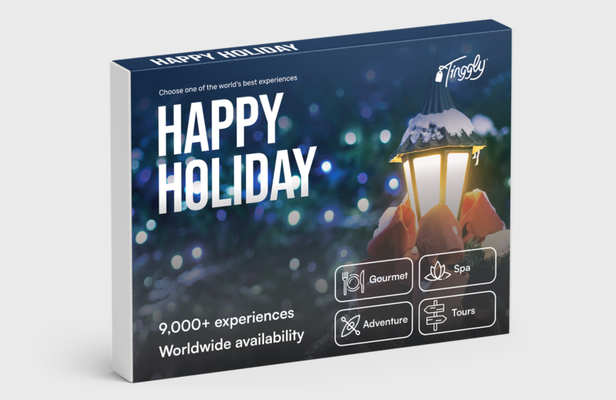
- 14,000+ experiences to choose from
- Redeemable in 100+ countries
- $263.20 gift value
- Rated 4.8/5 from 246 reviews
- Free digital delivery, or printed box
- Recipient picks their own experience
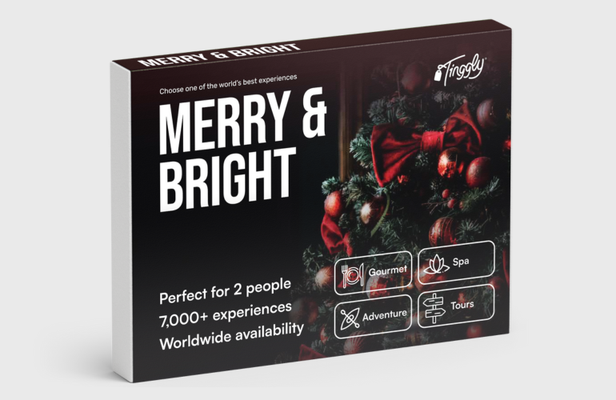
- 11,000+ experiences to choose from
- Redeemable in 100+ countries
- $351.20 gift value
- Rated 4.9/5 from 95 reviews
- Free digital delivery, or printed box
- Recipient picks their own experience
How We Ranked These Gifts
Every pick sits on a three-tier scale, based on what’s left once the gift has done its job.
- Tier 1: Zero-object gifts. Nothing physical changes hands, or only an email. The recipient gets a memory instead of an object, so nothing ends up in a drawer or a landfill.
- Tier 2: Gifts that get used up. The gift disappears as it’s enjoyed. What’s left is small, and ideally reusable or recyclable, like a jar or a tin.
- Tier 3: Gifts built to last. A physical object, but one made to be used for years, or one that already exists, so nothing new has to be made.
One caveat: travel matters. A kayaking tour across town is lower-impact than one that needs a flight, so we’ve focused on experiences people can reach close to home.
Tier 1: Zero-Object Gifts
These are the gifts that leave nothing behind but a good story. Each one comes as an eVoucher by email. The recipient picks the date, and Tinggly vouchers have no expiry date, so a summer kayak trip can be given in December.
1. A guided hike in a national park
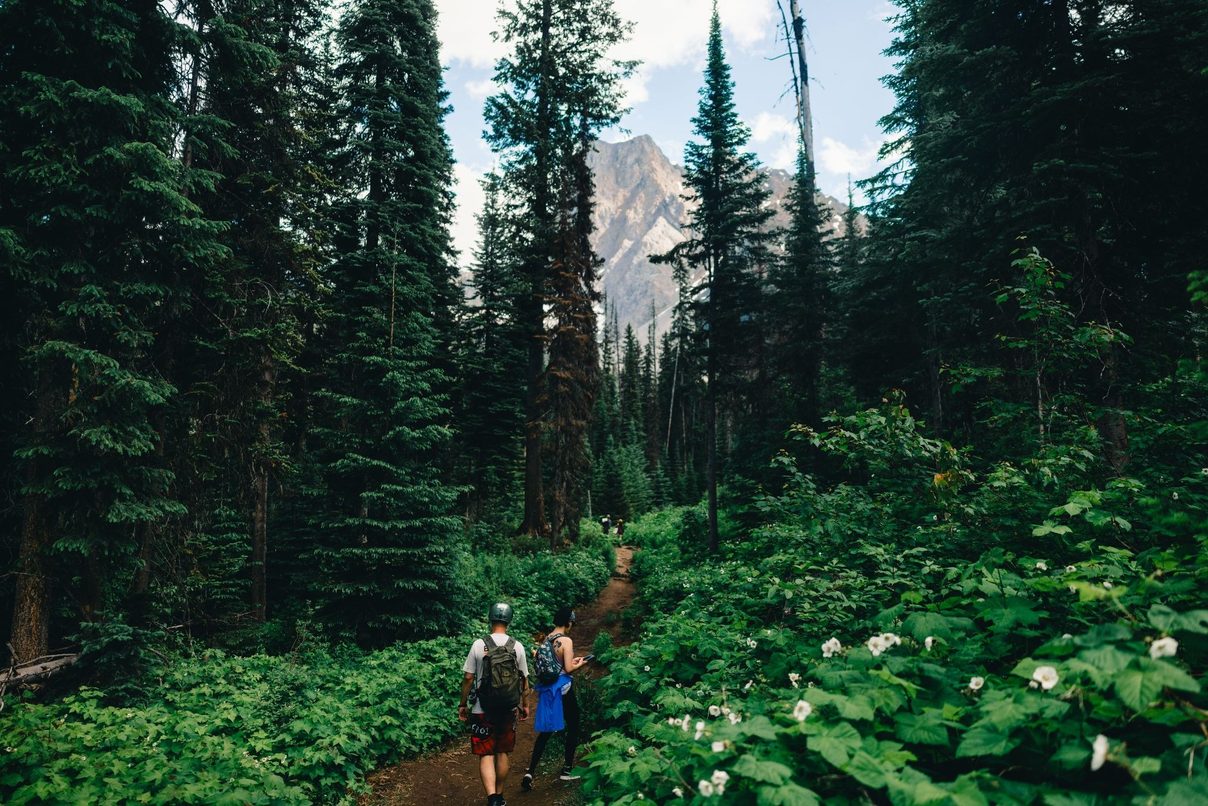
A guided hike is a day outside with someone who knows the trail, the plants and the wildlife. Instead of following a map, you hear why the trees are that size, where the views are, and what lived here before the trail did.
It suits outdoorsy people, new hikers who’d like some company, and anyone who says they want to “get outside more” in the new year.
Why it’s low-waste: the only thing it uses up is energy, and the recipient goes home with photos instead of packaging.
What you can learn
- How to read a trail and pace a longer hike
- Names of local trees, wildflowers and birds
- The geology and history of the park
- Leave No Trace basics for hiking without a footprint
What to bring
Broken-in hiking shoes, layers, a refillable water bottle, sun protection and snacks. Some hikes include a picnic. National park entrance fees are often extra, so check the listing.
Popular hike styles
- Private guided day hikes
- Hikes with a picnic lunch
- Easy nature walks for beginners and families
- Longer summit and canyon hikes for experienced walkers
Average duration
Most guided hikes take 3 to 6 hours. Easy nature walks can take as little as 2 hours.
Popular locations
Yosemite, Sequoia and Kings Canyon, and Zion National Park.
How many people can do this
Private hikes are booked for your own group, so they work for a couple, a family or a few friends.
Try a private guided hike in Yosemite, a private guided hike in Sequoia and Kings Canyon or a private Zion hike with a picnic.
2. A kayaking tour
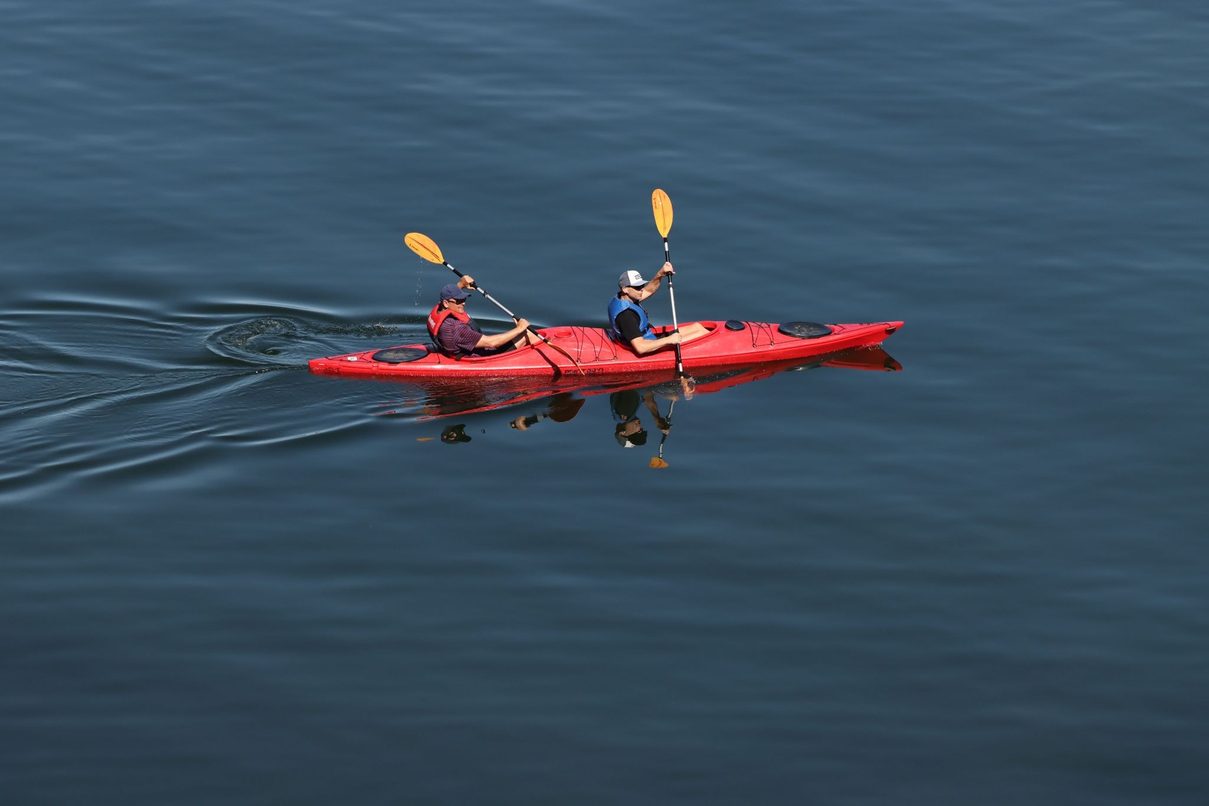
A kayak tour puts the recipient right at water level, close enough to see fish below the boat and birds in the branches. It’s quiet, it runs on paddle power, and with a guide even first-timers feel confident.
It’s a great pick for nature lovers, couples looking for an active date and anyone who’s always wanted to try paddling but never booked it.
Why it’s low-waste: no fuel, no engine noise and no object to keep, just a morning on the water.
What you can learn
- Basic paddle strokes, steering and how to get in and out safely
- How mangroves, rivers and coastlines support local wildlife
- How to spot dolphins, manatees, sea lions or wading birds
- Water safety and how to read conditions
What to bring
Clothes that can get wet, water shoes or sandals with straps, sunscreen, a hat and a refillable water bottle. Kayaks, paddles and life jackets are provided. Leave your phone in a dry bag or with the guide.
Popular trip types
- Mangrove tunnel tours
- Dolphin and wildlife eco tours
- Open-ocean paddles with sea lion sightings
- Glacier-view paddles in Alaska
- Multi-day island kayak trips for experienced paddlers
Average duration
Most guided tours take 1.5 to 3 hours. Half-day trips run 4 to 5 hours, and multi-day expeditions last up to 5 days.
Popular locations
Florida (Fort Myers, Cocoa Beach, Miami and the Everglades), Laguna Beach in California, Juneau in Alaska, and the San Juan Islands in Washington.
How many people can do this
Tours are booked per person, often in single or double kayaks. Book two places to paddle together.
Try the Thousand Islands mangrove tunnel kayak tour in Cocoa Beach, the guided dolphin eco tour by kayak near Fort Myers Beach, the Laguna Beach ocean kayak tour with sea lion sightings or a kayaking tour with Mendenhall Glacier views in Juneau. Browse all kayaking and SUP experiences.
3. Wildlife and whale watching
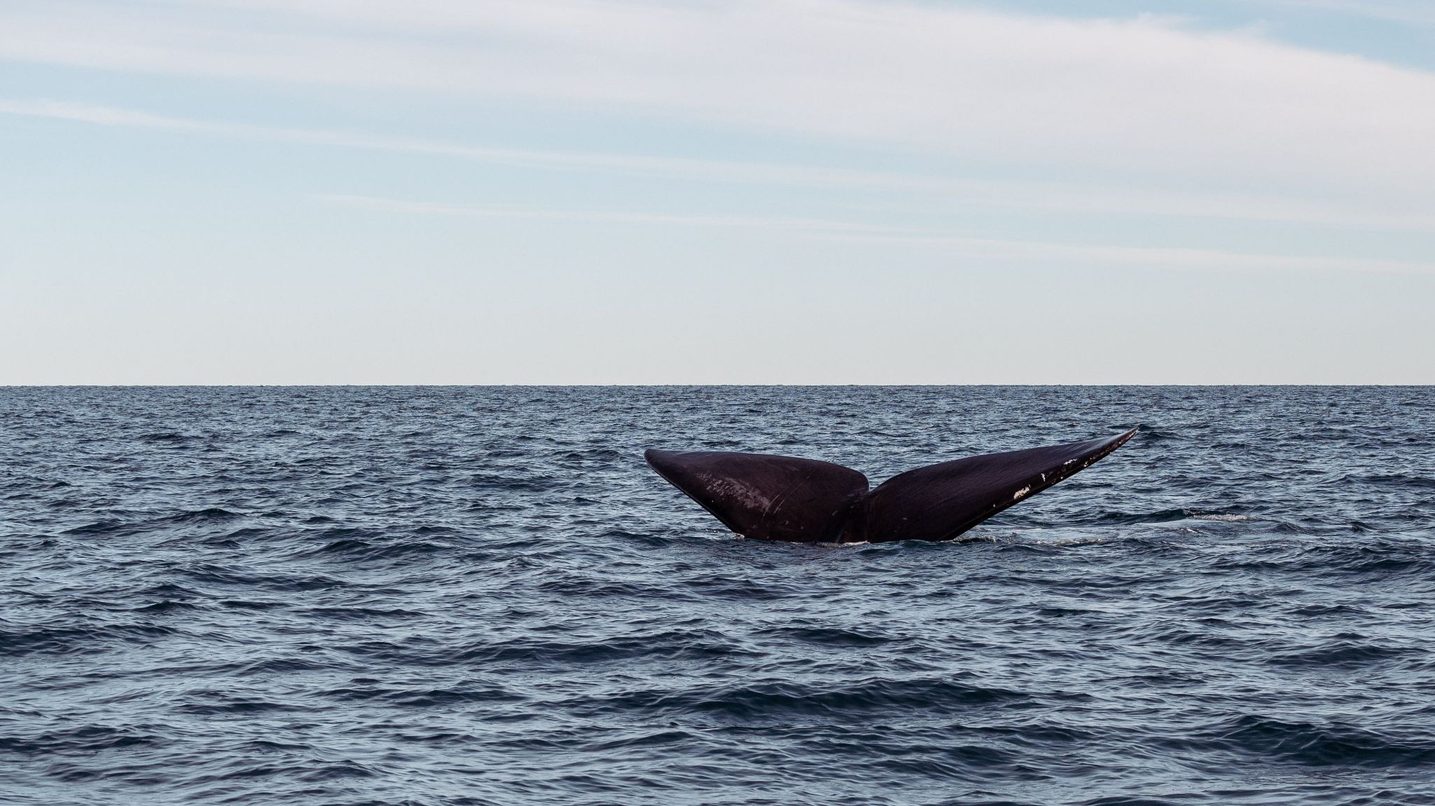
Whale watching gives the recipient a few hours on the water looking for whales, dolphins and seabirds in their natural habitat. Nothing about it is staged, which is exactly why the first sighting feels so big.
It suits animal lovers, kids old enough to sit still for a while, and anyone who’s never seen a whale up close.
Why it’s low-waste: it’s an encounter with wildlife where it lives, and it leaves nothing behind.
What to expect
- A short briefing from the captain or naturalist
- Live commentary on the species you spot
- Whales, dolphins, sea lions and seabirds, depending on season
- Time on deck for photos
What to bring
A warm, windproof jacket, sunglasses, sunscreen and a camera. If you get seasick, take something beforehand and stay on the outside deck. Sightings depend on season and conditions.
What you might see
- Gray whales on their winter migration along California
- Humpback and blue whales in spring and summer
- Common and bottlenose dolphins year-round
- Sea lions and seabirds near the harbor
Average duration
2 to 4 hours on the water.
Popular locations
Monterey Bay, San Diego and Newport Beach in California.
How many people can do this
Tickets are per person, and boats carry a group of guests. It works for couples, families and friends.
Try Monterey Bay whale watching, the San Diego whale watching cruise or the Newport Beach whale and dolphin cruise.
4. A stargazing night

A stargazing tour takes the recipient somewhere truly dark, hands them a pair of binoculars or a telescope, and lets a guide point out planets, constellations and the Milky Way. For people who live in cities, it’s often the first time they’ve seen the night sky properly.
It’s a calm, romantic gift for couples, and a memorable one for curious kids and science fans.
Why it’s low-waste: the night sky is the whole show, and nobody takes it home.
What you can learn
- How to find constellations and the North Star
- How to tell planets from stars
- How to use a star map (planisphere), binoculars and a telescope
- Why dark-sky places matter and how light pollution hides the stars
What to bring
Very warm layers (desert and mountain nights get cold), a hat and gloves. Many tours provide reclining chairs, blankets and hot drinks. National park entrance fees may be extra.
Popular stargazing settings
- International Dark Sky Parks
- National parks after sunset
- Private tours with reclining chairs and telescopes
Average duration
1.5 to 2 hours, usually starting after dark.
Popular locations
Sequoia and Kings Canyon in California and the Zion area in Utah.
How many people can do this
Small groups or private tours. Book for two for a date, or for the whole family.
Try private stargazing in Sequoia National Park, which includes reclining chairs, blankets and star maps, or stargazing in Zion’s International Dark Sky, which includes telescopes, binoculars and hot drinks.
5. A farm-to-table cooking class

A farm-to-table class starts where the food does. You walk the garden or farm, pick what’s in season, then cook it with a local chef and sit down to eat it together. It changes how people think about where dinner comes from.
It’s a natural fit for home cooks, gardeners and anyone trying to eat more seasonally.
Why it’s low-waste: the ingredients are local and seasonal, and the only thing left at the end is an empty plate.
What you can learn
- How to choose and prepare produce at its peak
- Traditional recipes from the region you’re cooking in
- Using every part of an ingredient, from stems to peels
- Simple techniques you can repeat at home with farmers’ market produce
What to bring
Comfortable clothes and closed-toe shoes, plus a hat if part of the class is outdoors. Ingredients, tools and aprons are provided. Tell the host about allergies when you book.
Popular cuisines
- Costa Rican home cooking
- Balinese dishes from an organic farm
- Italian, French and Mexican classes in US cities
Average duration
2 to 3 hours, usually ending with the meal you cooked.
Popular locations
La Fortuna in Costa Rica, Ubud in Bali, and 120+ US cities for chef-led classes.
How many people can do this
Usually booked per person or for two. Some farm classes need a minimum number of guests to run.
Close to home, a chef-led cooking class for two runs in 120+ cities. If they’re traveling, there’s the farm-to-table cooking class in La Fortuna, Costa Rica or the organic farm cooking school in Ubud, Bali. See all classes and workshops.
6. A bike or e-bike tour
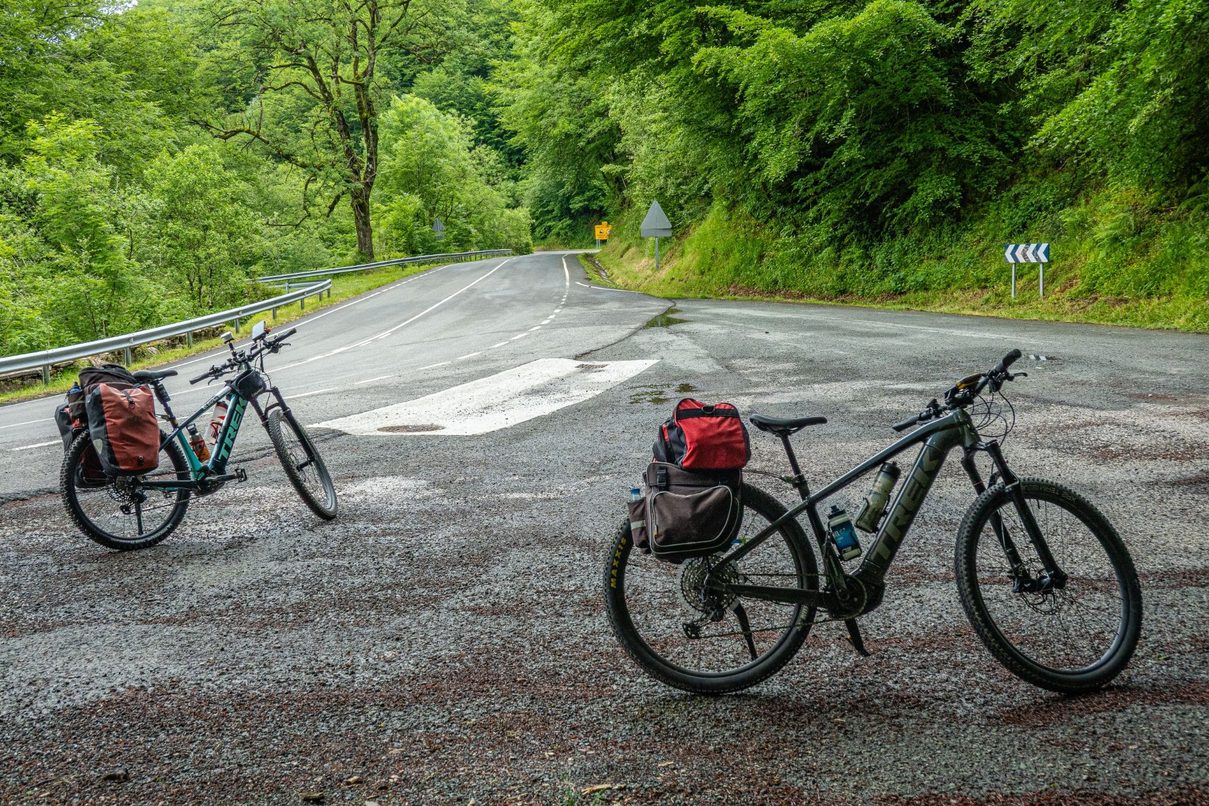
A guided bike tour covers far more of a city than walking, without a single bus or car. E-bikes take the effort out of the hills, so it works for casual riders too.
It suits active couples, visitors who want to see a city properly, and locals who’d like to rediscover their own town.
Why it’s low-waste: pedal power, a few hours outdoors, and nothing to take home.
What you can learn
- The stories behind a city’s monuments, murals and neighborhoods
- Bike-friendly routes you can ride again on your own
- Local spots that aren’t on the usual tourist path
What to bring
Comfortable clothes, closed-toe shoes, sunglasses and a refillable water bottle. Bikes and helmets are provided. Check the listing for minimum ages and rider height.
Popular tour styles
- Monument and landmark tours
- Street art and mural rides
- Neighborhood and food stops
Average duration
2 to 3 hours.
Popular locations
Austin, San Antonio and Washington, DC.
How many people can do this
Booked per person in small groups, so get two spots to ride together.
Try the Austin electric bike tour, the San Antonio mural bike tour or the Monumental Electric Bike Tour in Washington, DC.
7. An online class

An online class needs no travel at all. An expert teaches over video, and the recipient learns something new from their own kitchen or sofa.
It’s ideal for homebodies, people who live far away from you, and anyone who’d rather learn in January than go out in it.
Why it’s low-waste: no travel, no packaging, and nothing delivered.
What you can learn
- Cooking techniques from professional chefs
- Classic cocktails and mixing basics
- Healthier everyday cooking habits
What to bring
A laptop or tablet and a stable connection. You’ll get a list of ingredients ahead of time for cooking and cocktail classes.
Popular topics
- Live interactive cooking classes
- Self-paced cooking courses
- Mixology
Average duration
Live classes run 1 to 2 hours. Self-paced courses are spread over several lessons.
Popular locations
Anywhere with Wi-Fi.
How many people can do this
One screen can host a couple or a household.
Try the online cooking course: Transform the Way You Cook, Eat and Live, an online mixology class, or browse all online experiences.
8. An experience gift box, sent as an eVoucher

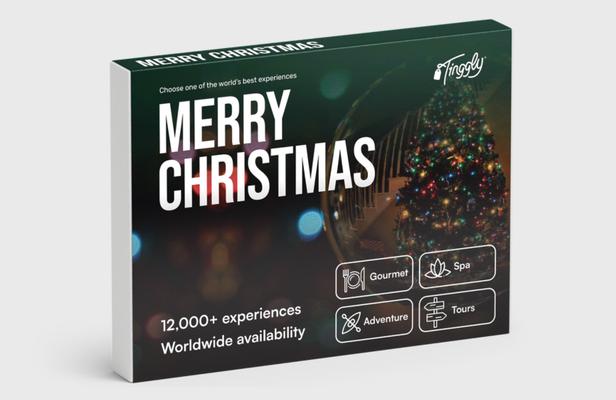
If you’re not sure which experience to pick, a gift box lets them choose from a themed collection. The Merry Christmas box has experiences in 100+ countries and can be booked for 1 to 4 people.
Why it’s low-waste: sent as an eVoucher, it’s a PDF in an email, with no box, no plastic and no delivery truck.
If you want something to unwrap, the physical version comes in an eco-friendly box made with FSC-certified materials for a $10 shipping fee.
Give the Merry Christmas gift box ($111.20 list price as of November 2026).
9. An experience e-gift card
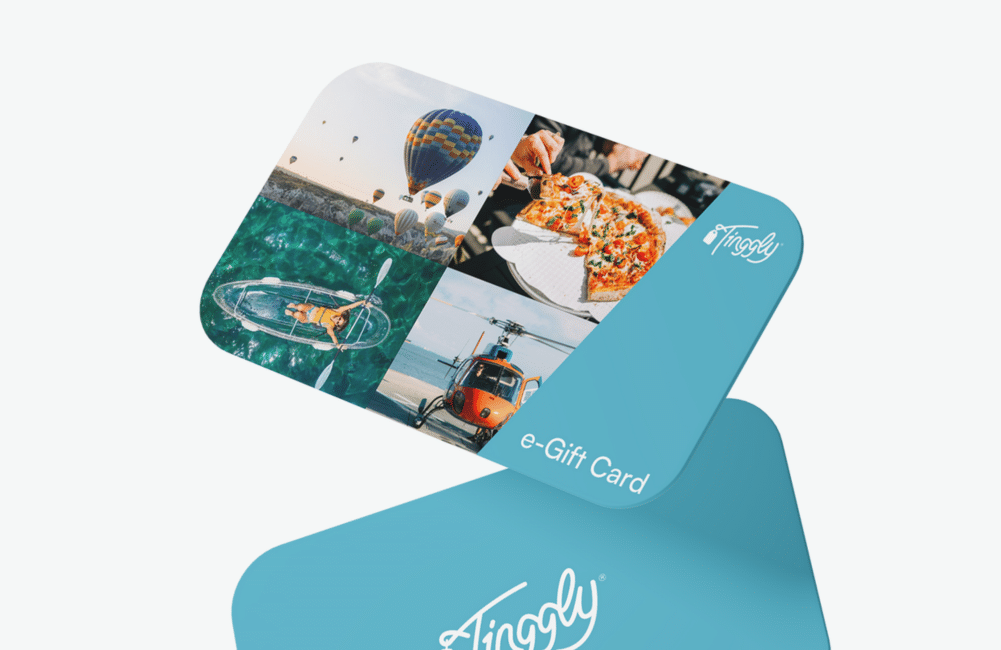
For the person who’d rather choose everything themselves, a Tinggly e-gift card arrives by email within a minute and can go toward any experience.
Why it’s low-waste: there’s no plastic card and no mailing. It’s also hard to lose, unlike the plastic gift cards that get forgotten in wallets.
10. A donation in their name
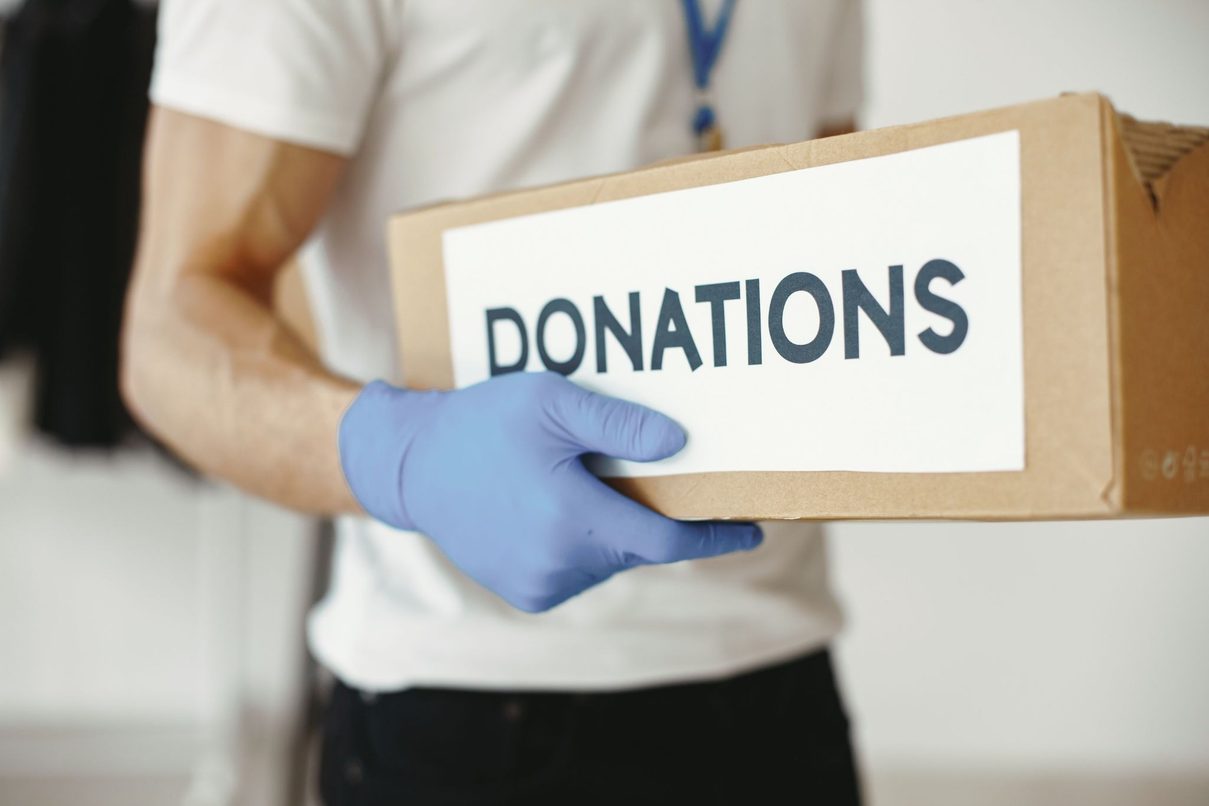
For the person who truly wants nothing, give to a cause they care about: a local food bank, a wildlife rescue or a tree-planting project. Write them a card saying what their gift made possible.
Why it’s low-waste: nothing is made or shipped, and the good it does keeps going after Christmas.
11. A gift of your time or skill

A handwritten promise can be the most personal gift on this list: a Saturday of babysitting, a home-cooked dinner each month, or help fixing the bike that’s been in the garage since summer.
Why it’s low-waste: the only material is a note, and the gift is your time.
Tier 2: Gifts That Get Used Up
If you’d like to hand over something physical, choose a gift that disappears as it’s enjoyed. The trick is to pick things the person already uses, so the gift replaces a purchase instead of adding clutter, and to look for packaging that’s reusable or easy to recycle.
12. Local coffee or loose-leaf tea
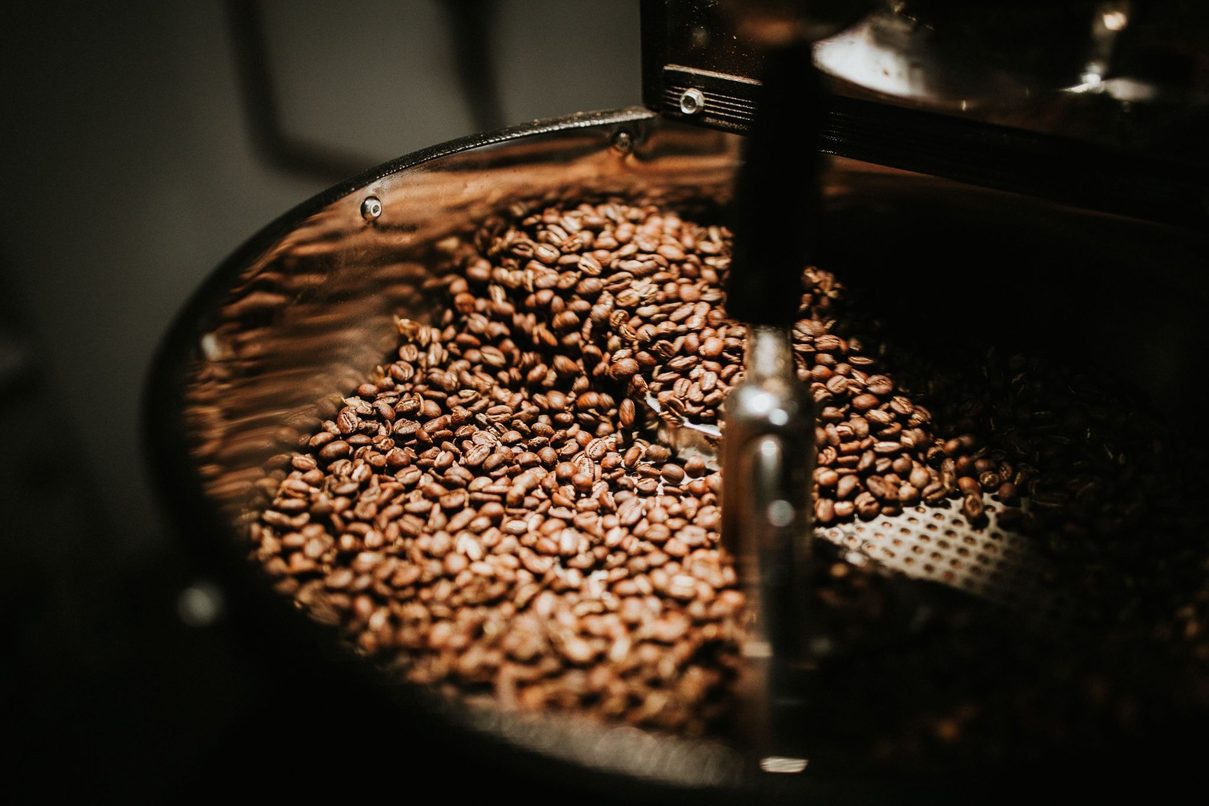
A bag of beans from a local roaster, or loose-leaf tea from an independent shop, gets used every single morning. Ask the roaster for whole beans if they grind at home, and pair it with a note about where it came from.
Why it’s low-waste: it’s used up completely, and loose-leaf tea skips the individually wrapped bags.
13. Homemade baked goods
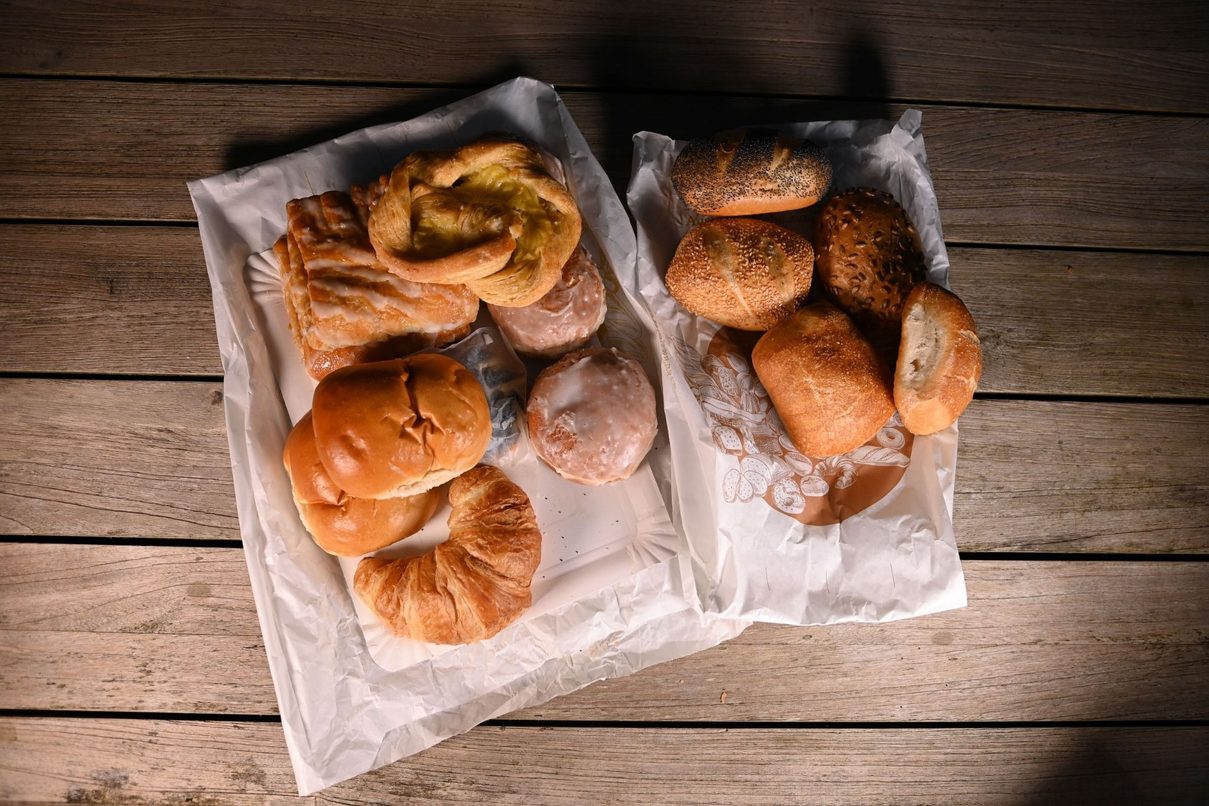
Cookies, granola, a loaf of banana bread or a jar of spiced nuts are cheap to make, personal and gone by New Year’s. Pack them in a jar or tin they can keep, or one they can bring back for a refill next year.
Why it’s low-waste: no shop packaging, and the container gets reused.
14. Local honey, jam or preserves
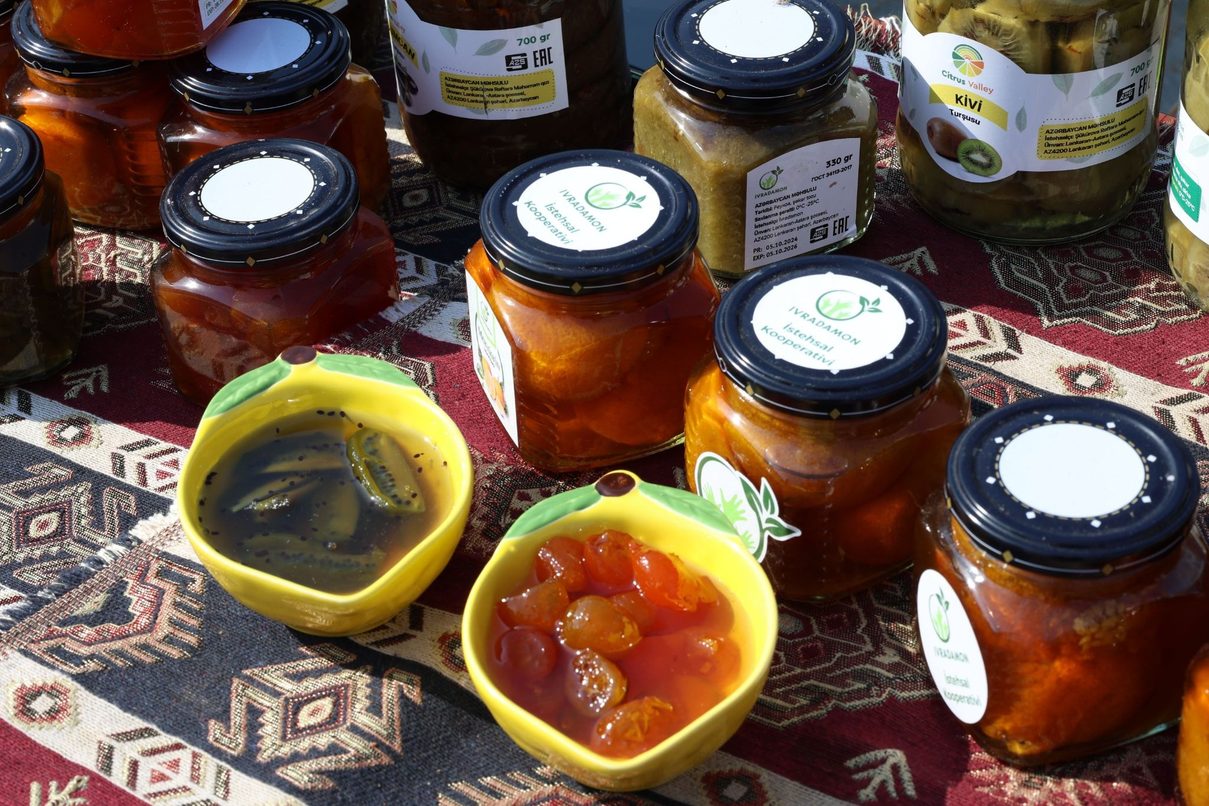
A jar of honey from a nearby beekeeper or jam from a farmers’ market supports a local maker and lasts well into the new year.
Why it’s low-waste: glass jars are easy to reuse or recycle, and the food travels a short distance.
15. A candle in a reusable vessel
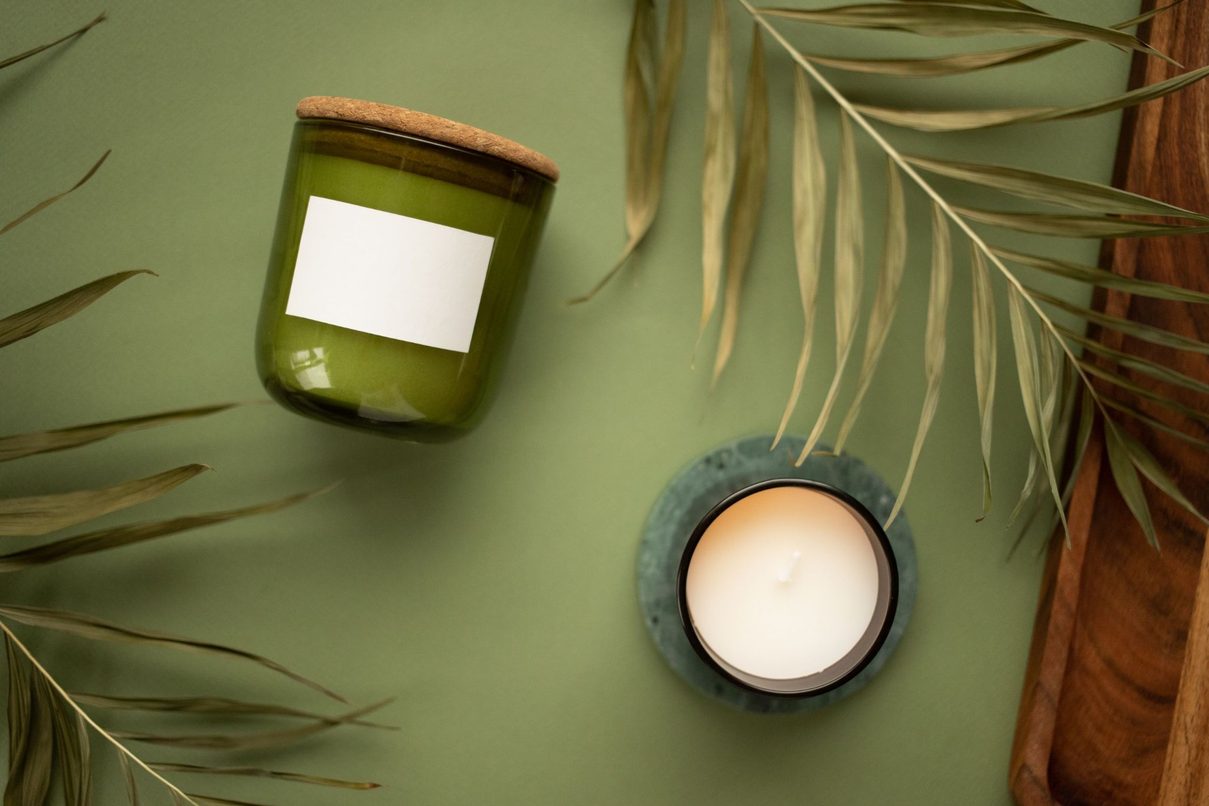
Choose a beeswax or soy candle poured into a ceramic or glass container that can become a plant pot, pen holder or drinking glass once the wax is gone.
Why it’s low-waste: it burns away, and the vessel gets a second life.
16. Shampoo, conditioner and soap bars
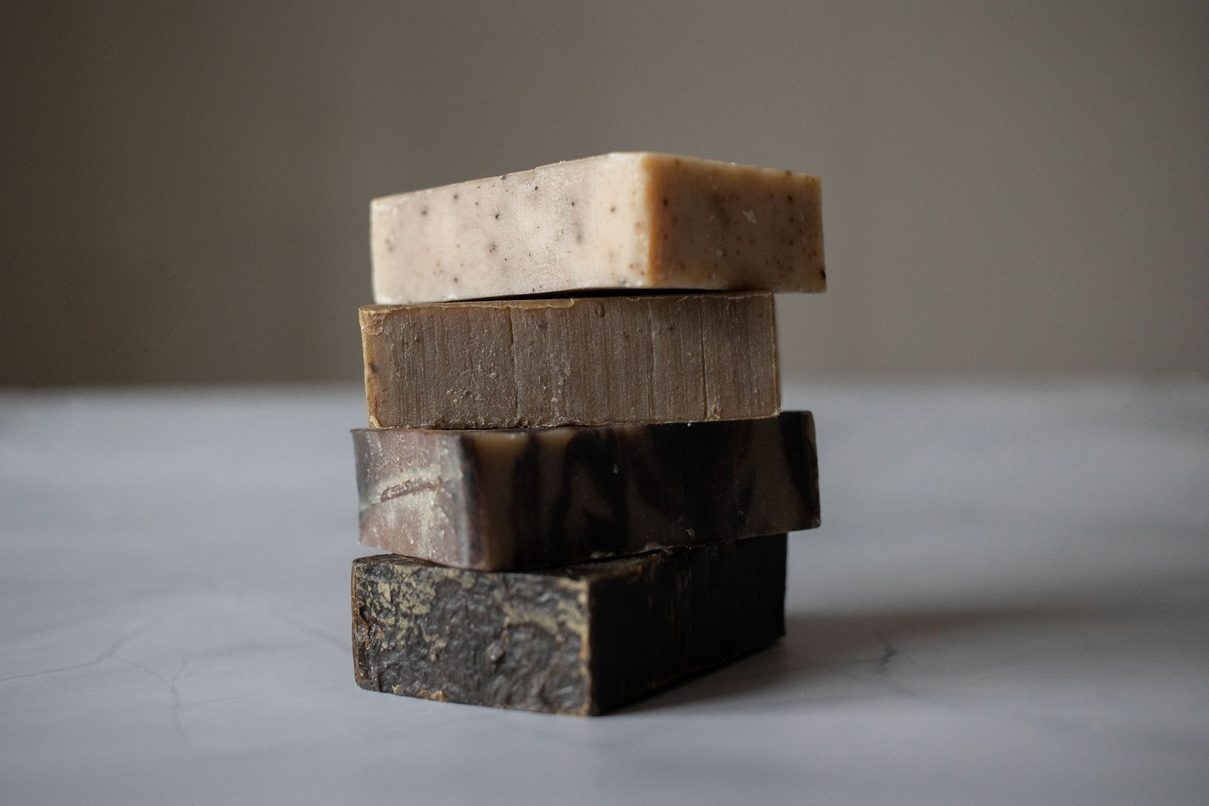
Solid bars replace plastic bottles in the shower. Look for bars sold in paper or cardboard, and add a small soap dish so they last longer between washes.
Why it’s low-waste: no plastic bottle, and the bar gets used down to nothing.
17. Wine, cider or beer from a local maker
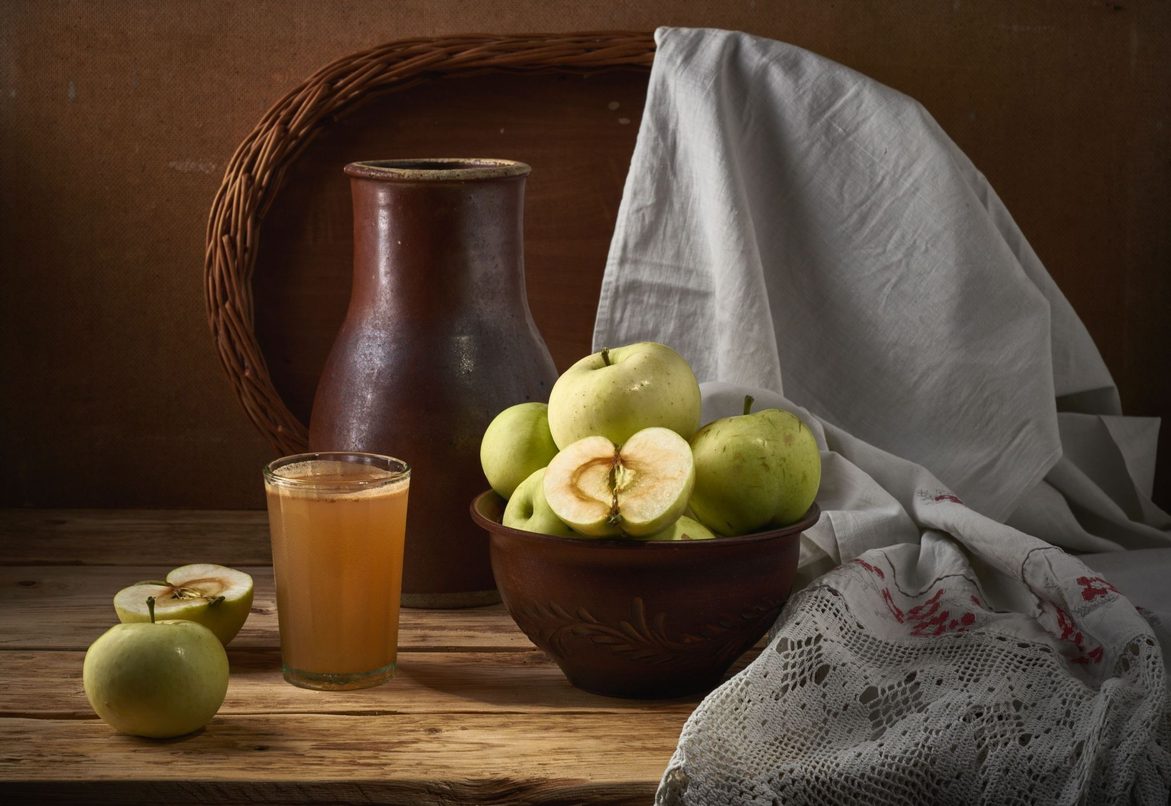
A bottle from a nearby winery, cidery or brewery makes a good host gift and a better story when you can say who made it. Wrap it in a cloth bag or a scarf instead of a paper bottle bag.
Why it’s low-waste: the bottle is recyclable, and buying local cuts shipping.
18. A seed or herb-growing kit
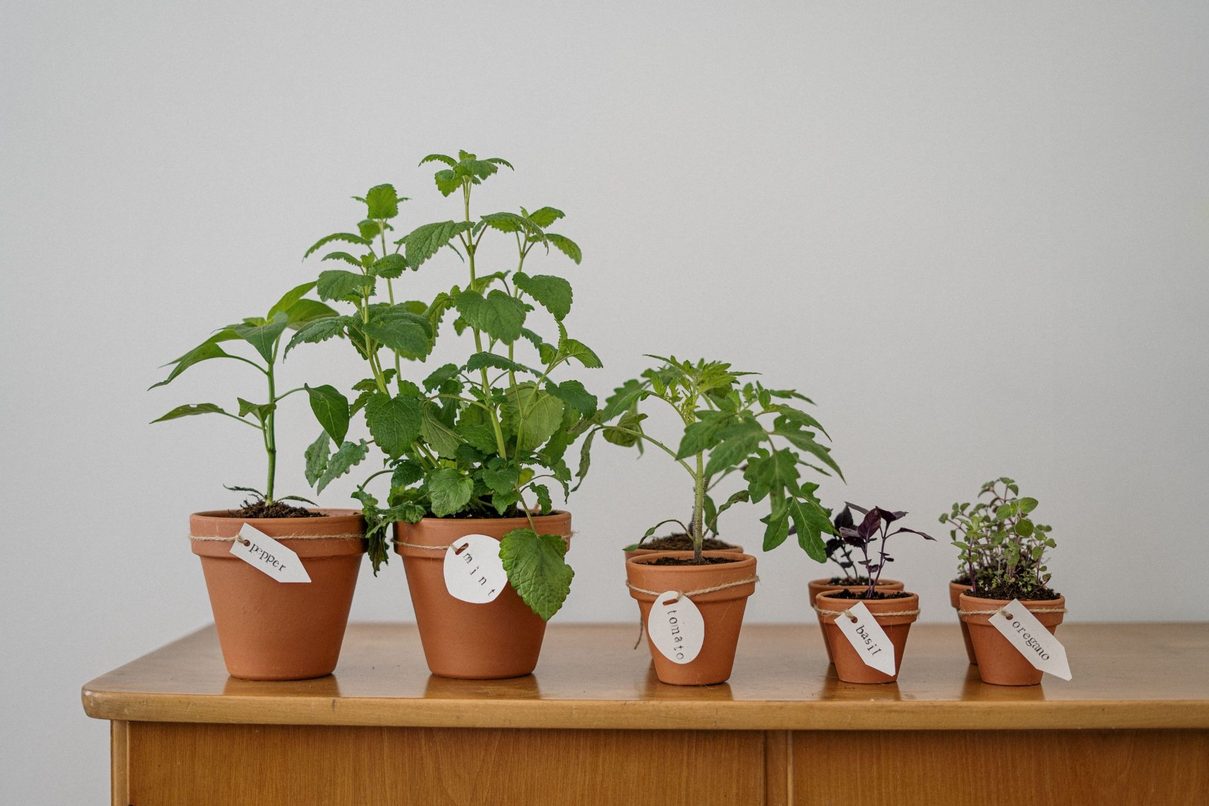
A few packets of seeds, compostable pots and a bag of soil give someone a windowsill herb garden by spring. It’s a lovely gift for kids, too.
Why it’s low-waste: the pots break down in the compost, and what grows gets eaten.
Tier 3: Gifts Built to Last
Some people really do want a thing to unwrap. If so, the lowest-waste choice is something they’ll use for years, or something that already exists. A good rule: only buy it if it replaces something worn out, or fills a real gap.
19. A cast iron pan

Looked after properly, a cast iron skillet can outlive its owner, and it only gets better with use. It’s a strong pick for anyone who cooks most nights and is tired of nonstick pans wearing out.
Why it’s low-waste: one pan for decades instead of a new one every few years.
20. Wool or linen basics
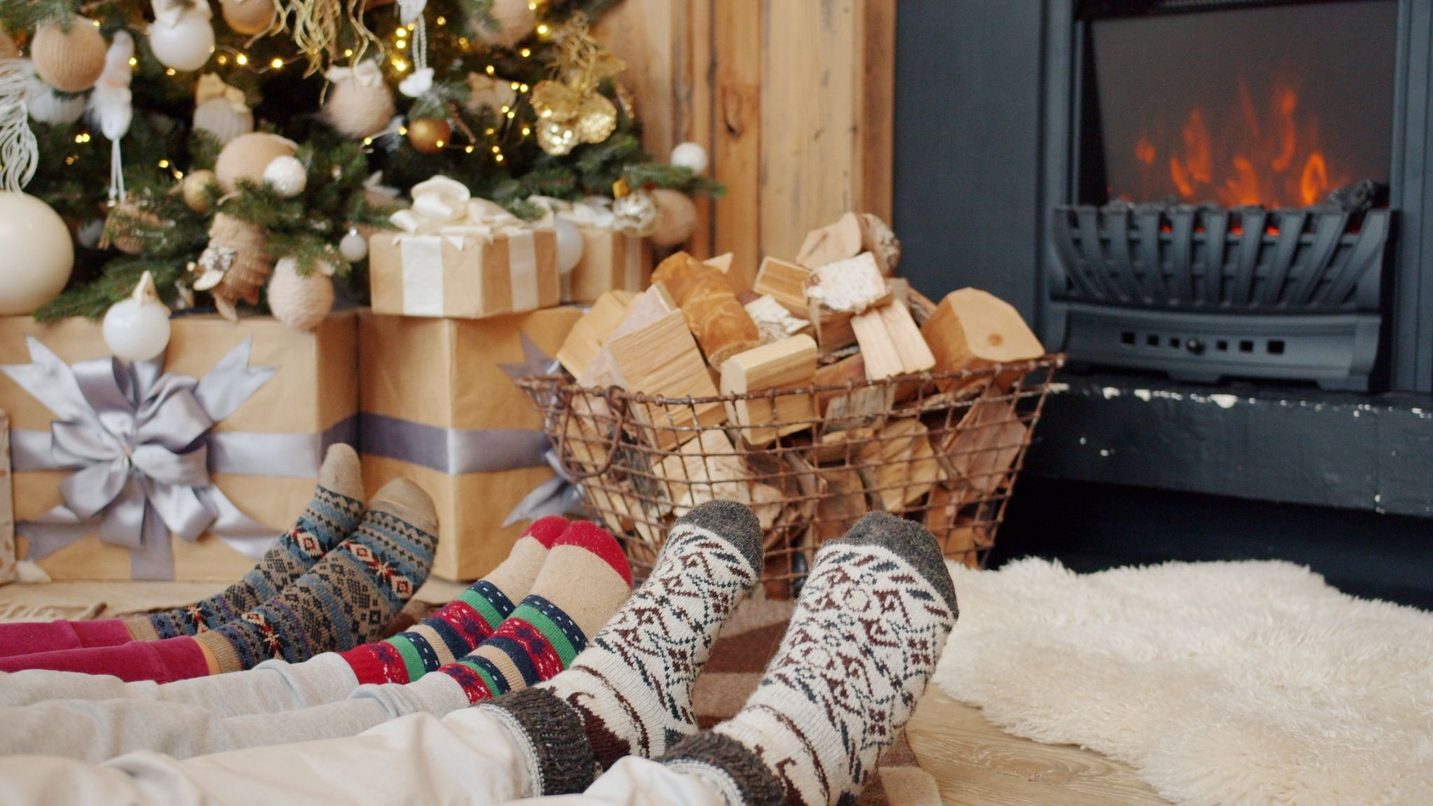
Thick wool socks, a merino base layer or a linen scarf will be worn every winter for years. Natural fibers also tend to age better than synthetics.
Why it’s low-waste: quality basics last much longer than fast fashion and get worn far more often.
21. Secondhand or vintage finds
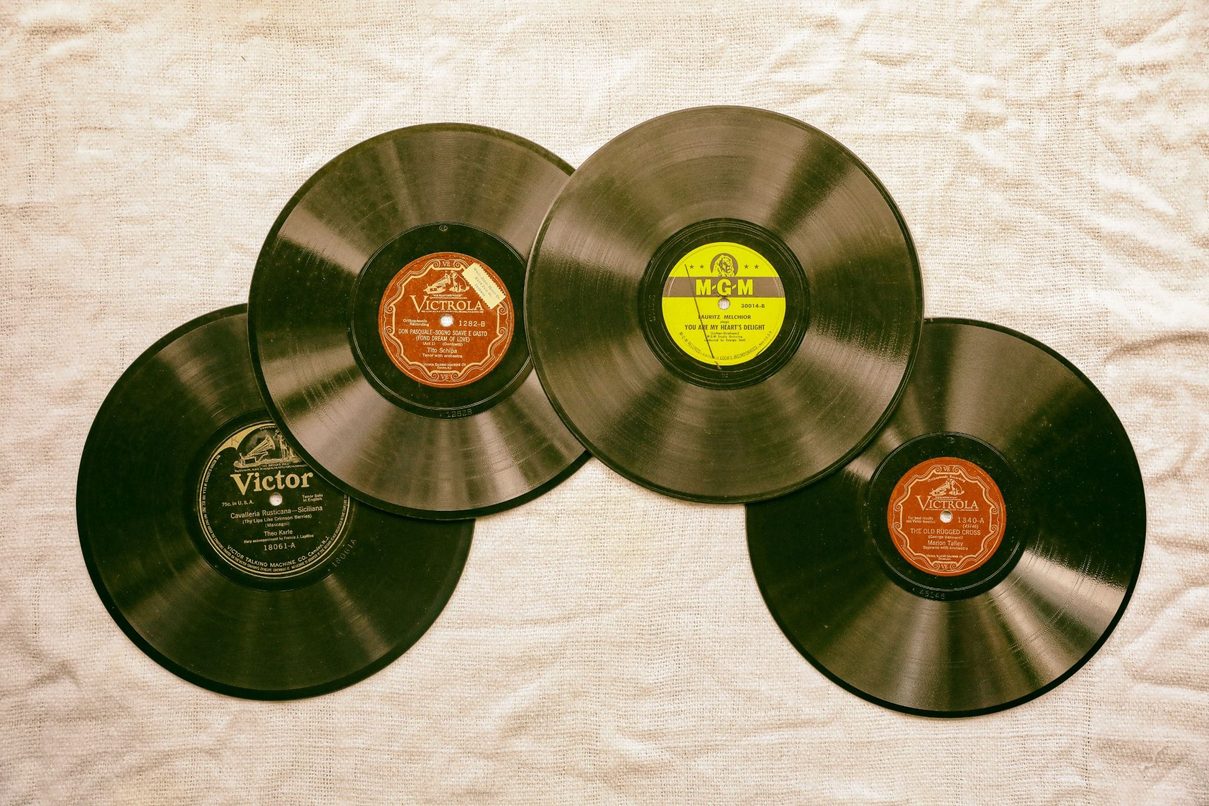
Vintage records, a mid-century lamp, a good leather bag or a set of retro glasses can be more special than anything new. Thrift stores, flea markets and online resale sites are full of them.
Why it’s low-waste: nothing new has to be made, and the item stays out of the landfill.
22. Secondhand books

A used copy of a book you loved, with a note inside about why, is one of the most thoughtful gifts there is. Independent used bookstores often have first editions and beautiful older prints.
Why it’s low-waste: the book already exists, and it can be passed on again.
23. A repair of something they love
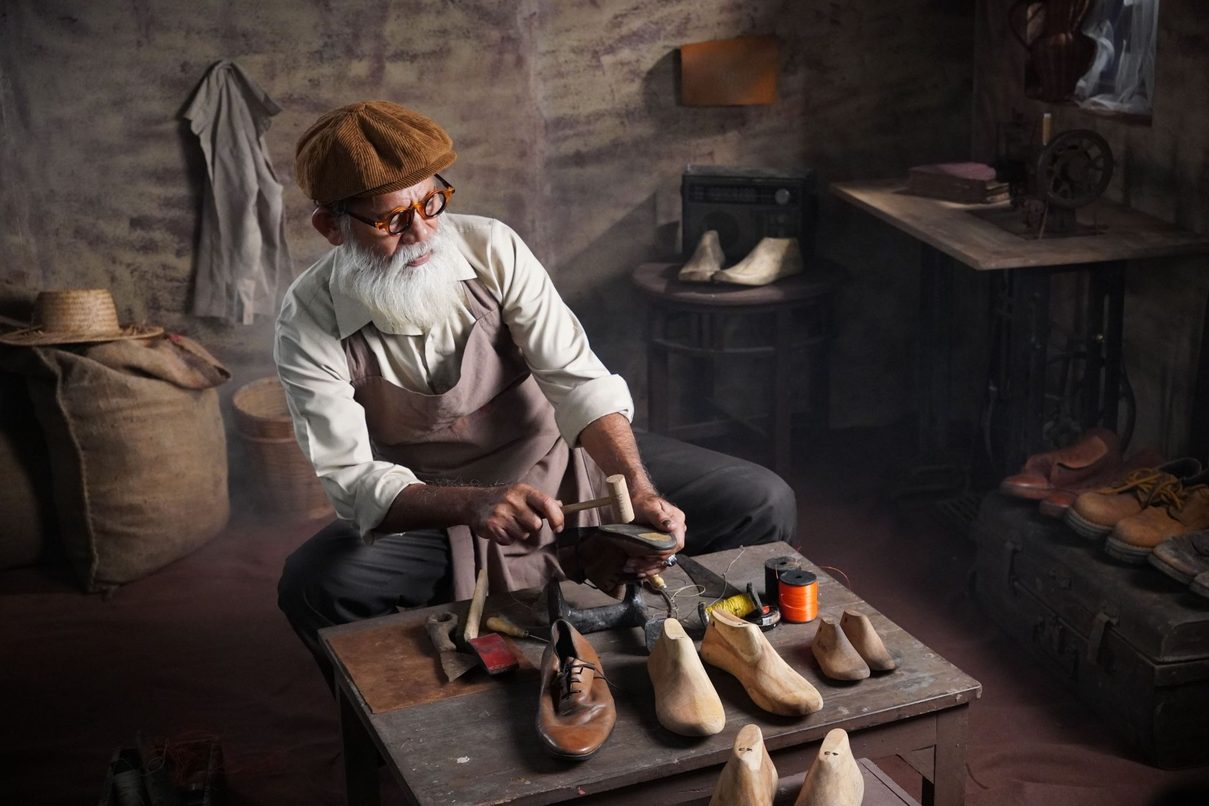
Take their favorite boots to the cobbler, get the old watch serviced, or have a beloved jacket tailored to fit again. Wrap the receipt with a note saying it’s ready to collect.
Why it’s low-waste: the most sustainable item is the one you already own.
24. A reusable bottle or coffee cup (only if they need one)
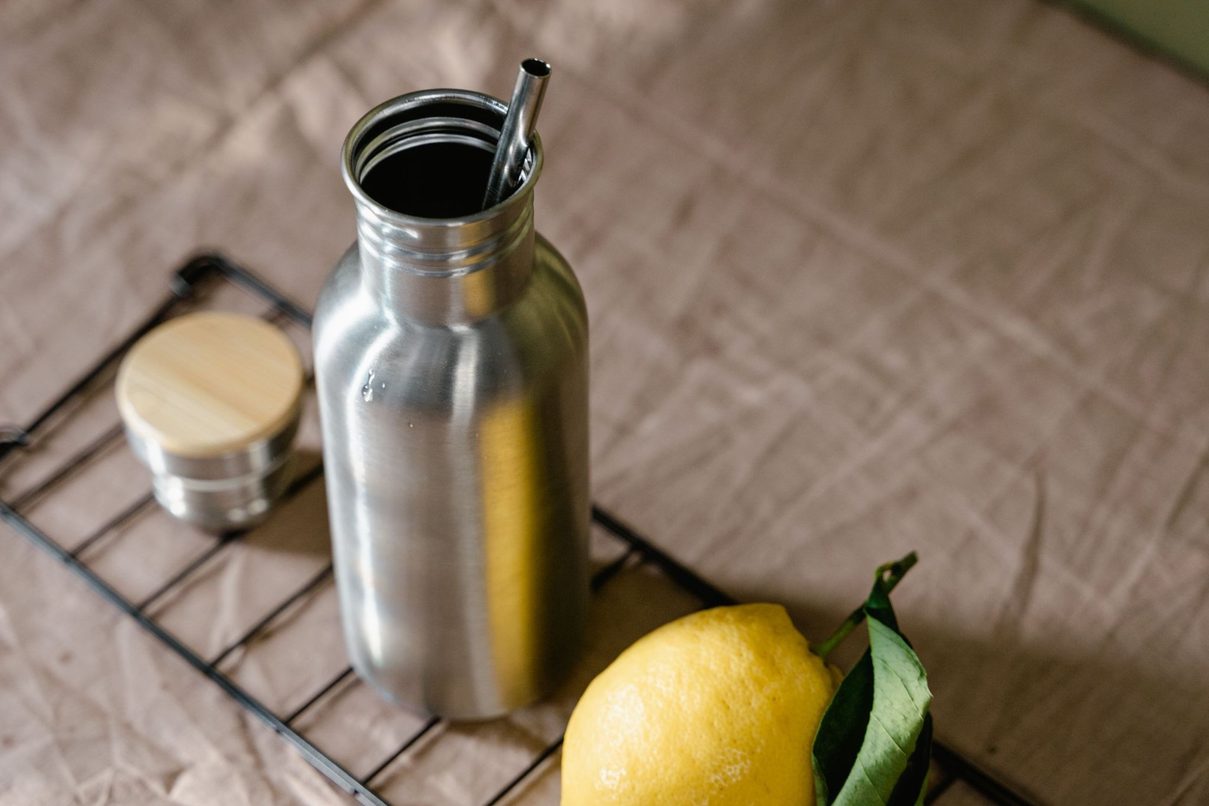
A well-made insulated bottle or travel cup can replace hundreds of disposables. The catch: many people already own several, so only give one if you know they don’t.
Why it’s low-waste: years of use, as long as it’s actually used.
25. A houseplant

An easy plant like a pothos, snake plant or ZZ plant lives for years with very little care. Choose a terracotta or ceramic pot and skip the plastic nursery pot where you can.
Why it’s low-waste: it grows instead of wearing out.
Low-Waste Wrapping Ideas
The wrapping can create almost as much trash as the gift itself, especially shiny or glittery paper that can’t be recycled. A few easy swaps:
- Fabric wrap: a scarf, tea towel or square of cloth tied in the Japanese furoshiki style becomes part of the gift.
- Reused paper: brown paper, old maps, sheet music or kids’ drawings all make good wrapping.
- Boxes and jars you already have: a nice shoebox or a glass jar needs no wrap at all.
- Paper tape or string instead of plastic tape, so the paper can go into recycling.
- Natural decorations: a sprig of rosemary, pine or dried orange slices instead of plastic bows.
- No wrap at all: an eVoucher printed and folded into a card, or simply sent by email.
Make Christmas Greener with Tinggly
Every experience in Tier 1 comes from Tinggly’s catalog of 150,000+ experiences in 100+ countries. Sent as an eVoucher, a Tinggly gift is the lowest-waste way to give: no box, no shipping, just an email. Vouchers have no expiry date and free exchange, so the recipient can wait for the right season to go kayaking or hiking.
If you choose a physical gift box, it’s made with FSC-certified materials. Tinggly has also been a 1% for the Planet member since 2022, giving 1% of all sales to environmental causes. Its tree projects have planted more than 525,000 trees since 2022, and since 2026 that work continues with Veritree in Senegal. You can read more on Tinggly’s sustainability page.
When you’re ready, browse our Christmas experience gifts and send one by email in minutes. For more ideas built around shared time instead of things, see our guide to unique Christmas gifts for family that create memories, not clutter.
FAQ
What is the most eco-friendly Christmas gift?
A gift that leaves no object behind, such as an experience delivered by email. A guided hike, a kayaking tour or a stargazing night creates a memory without packaging, shipping or clutter, especially when it’s close to where the recipient lives.
Are experience gifts sustainable?
Experience gifts are usually much lower-waste than physical gifts, because nothing is manufactured or shipped. Their impact depends mostly on travel, so experiences the recipient can reach locally, by foot, bike or a short drive, are the greenest choice.
Is an eVoucher greener than a physical gift box?
Yes. An eVoucher is a PDF sent by email, so it skips packaging and delivery entirely. If you’d like something to unwrap, Tinggly’s physical boxes use FSC-certified materials, but the eVoucher is the lower-waste option.
How can I wrap gifts without waste?
Use fabric, such as a scarf or tea towel, or reuse brown paper, maps and boxes you already have. Tie them with string instead of plastic tape, and decorate with greenery or dried fruit instead of plastic bows. Avoid glitter and foil paper, which usually can’t be recycled.